Choosing the best Electric Guitars in 2026 is less about chasing a famous name and more about finding an instrument that suits your hands, sound, and budget. A guitar should feel comfortable after an hour, not only look impressive under shop lights. Neck shape, fret finish, pickup response, tuning stability, and control placement all affect the playing experience. Small details matter. A sharp fret edge or awkward volume knob can interrupt a performance. This guide compares practical features and guitar styles to help beginners, returning players, and experienced musicians build a useful shortlist.
Rather than naming one model as a universal winner, the sections ahead consider classic solid-body designs, versatile pickup setups, and choices for different budgets and playing styles. They explain what specifications can mean in practice, including how scale length affects string feel and how pickup arrangements shape tone. Price and availability may change during 2026, and specifications can vary by region, so check current manufacturer and retailer information before buying. A glossy finish does not prove better sound. Neither does a high price. Personal preference matters, and written comparisons cannot fully capture how a guitar feels in your hands. That limitation deserves attention. Treat this guide as a starting point: try the instrument when possible, listen through an amplifier you know, and include setup costs in your budget. No buying guide gets every preference right.
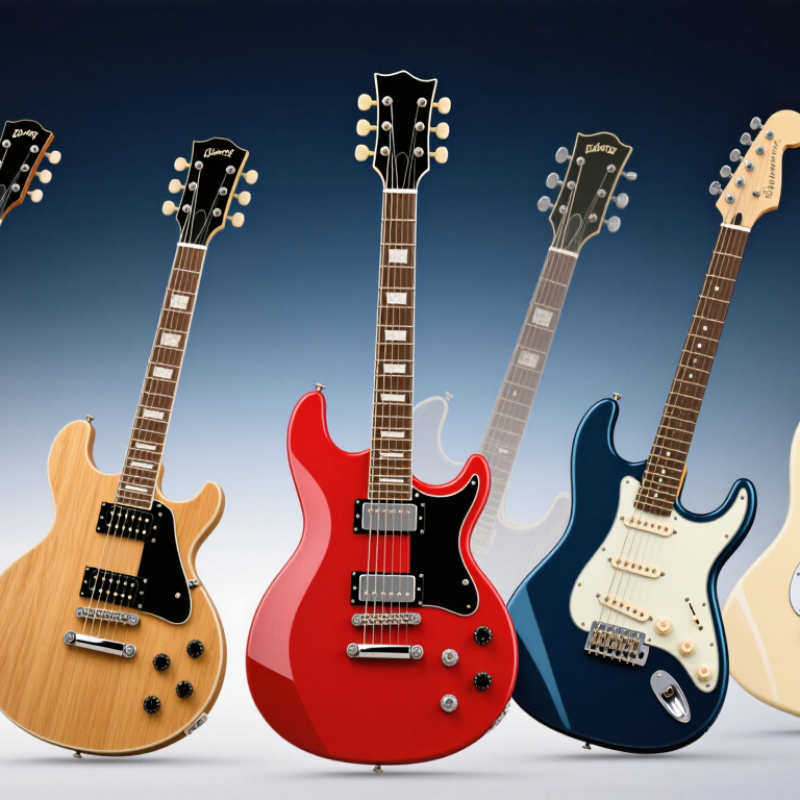
What Defines an Electric Guitar and Its Main Designs
An electric guitar turns string vibration into an electrical signal through pickups, then sends that signal to an amplifier. The strings still move in the familiar way, but the instrument depends on electronics to shape its sound. Pickups sense changes in a magnetic field; controls adjust volume and tone. Simple in principle. Surprisingly varied in practice. Body shape, wood, bridge design, and setup can all affect feel and response, though no single feature guarantees a particular sound.
The main designs include solid-body, semi-hollow, and hollow-body guitars. Solid bodies usually resist feedback at high volume and suit many playing styles. Semi-hollow designs add internal air space, often bringing a more open response while retaining a solid center. Hollow bodies have larger resonant cavities and can sound airy, but may be more sensitive to loud amplification.
Pickup layouts matter, too: single-coil designs often sound clear and bright, while humbuckers commonly produce a fuller signal with less electrical hum. These are tendencies, not rules. Descriptions can make the differences seem cleaner than they are; strings, room acoustics, and amplifier settings blur them.
Tips: Try a clean sound before adding effects. Check whether the neck feels comfortable, whether frets buzz, and whether controls are easy to reach. Listen at a sensible volume. A guitar that feels awkward after ten minutes may not become comfortable just because its specifications look impressive.
How Pickups, Scale Length, and Hardware Shape Tone and Feel
The best electric guitars in 2026 are not defined by one “perfect” specification. Pickups, scale length, and hardware change how an instrument responds under your hands. Single-coil designs often give notes a crisp attack, while humbuckers tend to sound fuller and reduce background hum. Pickup height matters, too. A pickup set too close can pull on vibrating strings and make notes feel uneven; a small adjustment can clarify the sound without replacing parts. Small details matter.
Scale length affects string tension and bending feel. A longer scale usually feels firmer with the same string gauge, which can help low notes stay articulate. A shorter scale often makes bends feel easier, though tuning and setup also play a part. Try a familiar chord, then bend a whole step. The neck should feel comfortable, not merely impressive on paper. I sometimes overvalue a lively unplugged sound; amplified tone can tell a different story.
Hardware deserves a close look, especially if you use a tremolo or change tunings often. A stable bridge and well-cut nut can help tuning return more consistently, but no hardware fixes poor setup. Check whether the tuners turn smoothly and whether the bridge feels secure under your picking hand. Then play softly and hard. Listen for rattles, abrupt volume changes, or strings slipping out of tune. Those small flaws are easy to miss in a showroom.
What Are the Best Electric Guitars in 2026?
How pickups, scale length, and hardware shape tone and feel
Scale Length and Relative String Tension
This comparison assumes the same string gauge, material, and tuning. The tension index is calculated relative to a 25.5-inch scale; string tension is proportional to scale length squared. A longer scale generally feels firmer at the same tuning. Pickup design influences output and tonal character, while bridge, nut, and tuner construction affect stability and response—so no single specification makes a guitar best for every player.
Top Electric Guitars by Genre, Skill Level, and Budget
What Are the Best Electric Guitars in 2026?
The best electric guitar depends on the sound you need, how it feels in your hands, and what you can spend. For bright, clear tones in pop, funk, or country, a lightweight solid-body guitar with single-coil pickups can be a practical choice. For rock and heavier styles, humbucker pickups often deliver a thicker sound and reduce unwanted electrical hum. Jazz players may prefer a semi-hollow design for its warm, open response. These are useful starting points, not strict rules; pickup choice alone does not define a genre.
Skill level matters, too. Beginners benefit from a comfortable neck, reliable tuning, and controls that are easy to understand. A simple setup can make bending notes and forming chords less tiring. Experienced players may prioritize pickup flexibility, fret access, or a particular neck shape. Budget should include more than the guitar itself: strings, a basic setup, and an amplifier can affect the playing experience. A lower-priced instrument with carefully adjusted action may feel better than a costlier one straight off the shelf. I have to admit, specs can look impressive while the guitar still feels wrong in your hands.
Tips: Try several neck shapes if possible. Play both seated and standing. Check tuning stability, fret edges, and string height. If buying online, review the return policy and ask about setup condition.
How to Test and Choose the Right Electric Guitar
What Are the Best Electric Guitars in 2026?
How to Test and Choose the Right Electric Guitar
A guitar that feels comfortable in a shop may feel tiring after an hour at home. Hold it while standing and seated, and notice whether the body digs into your ribs or the neck strains your wrist. Run your hand along the neck’s edges. Press a few notes high up the fretboard, where awkward heel shapes can limit access. Small details matter.
Test the guitar through an amplifier at a moderate volume. Play single notes, open chords, and a familiar riff using both clean and distorted sounds. Listen for unwanted buzz, uneven volume between strings, or notes that fade unusually quickly. Turn the volume and tone controls; they should respond smoothly, without sudden jumps. Play softly. Then dig in.
Bring a tuner, if you have one, and check tuning after several bends. A guitar that goes out of tune quickly may need setup work, not necessarily replacement. Still, ask whether the instrument has been adjusted recently. Check fret ends, tuning hardware, and the action, meaning the string height above the frets. I still catch myself favoring a guitar because it looks striking. That is not a useful test. Spend at least ten minutes playing the same passages on each candidate, and note which one feels easiest to control.
Conclusion
Electric Guitars come in several core designs, each offering a different balance of comfort, resonance, and versatility. Their sound and playing feel are shaped by factors such as pickup type and placement, scale length, neck profile, and hardware. Understanding these features can help players look beyond appearance and focus on how an instrument responds to their preferred style and technique.
This guide explains how to compare electric guitars in 2026 by considering build quality, tuning stability, playability, tonal range, and value. It also explores options suited to different genres, experience levels, and budgets, from practical first instruments to more specialized choices. To make a confident decision, test guitars in person when possible, try them with familiar settings, and pay attention to comfort, sound, and ease of control.