Enterprise Procurement & Technical Benchmark

Folk String Instruments B2B Sourcing Guide: Specifications, Trends & Supply Solutions

Commercial Procurement · Luthier-Grade Craftsmanship · Global Distribution Channels

Contact Us
01 / 03
Heritage & Industrial Manufacturing Depth

Over 150 Years of Acoustic Engineering and Folk String Instrument Leadership

Founded in Jersey City, New Jersey, in 1871, Oscar Schmidt established the historical benchmark for American folk string instruments. As the original manufacturer to mass-produce and standardize the Autoharp®, the company altered the landscape of participatory acoustic music across schools, community orchestras, and folk revivals worldwide.

Now operating as a specialized division under JAM USA LLC alongside sister brand Washburn, Oscar Schmidt balances artisanal string craft with disciplined, high-throughput manufacturing. Commercial importers, international distributors, institutional procurement managers, and specialized music retailers depend on our engineering protocols to maintain uniform neck geometry, balanced tension calibration, and kiln-dried tonewood stability capable of handling fluctuating international climates without wood splitting, joint movement, or fret buzz.

Contact Us
1871Crafted Since Founding
8+Dedicated Acoustic Categories
Autoharp®Proprietary Global Standard
100%Lacey Act / CITES Compliant
Extended Instrument Portfolio

Full Spectrum Folk Instrument Catalog Architecture

Diversify your enterprise product assortment across traditional Americana, Celtic, and worldwide roots instruments with centralized consolidation advantages.

01

Banjos (4 & 5 String)

Engineered with cast aluminum tone rings, 24-bracket chrome hoops, and Remo frosted heads to produce authentic bluegrass projection, snap, and percussive timbre.

Inquire Bulk Rates
02

Mandolins (A & F Styles)

Featuring carved spruce tops, book-matched flame maple backs, adjustable rosewood bridges, and traditional scroll carves that provide clean chop and projection.

Inquire Bulk Rates
03

Acoustic-Electric Folk Bass

Extended scale lengths, active preamp EQ modules, and dense mahogany bodies formulated to reinforce rhythmic low-end support for unplugged acoustic sessions.

Inquire Bulk Rates
04

Dedicated Left-Handed SKUs

Mirrored internal scalloped bracing, inverted nut slots, and calibrated compensation saddles tailored to eliminate modifications for left-handed buyers.

Inquire Bulk Rates
05

Fitted Hard-Shell Flight Cases

Custom-molded interior plush cavities specifically sized for asymmetrical folk instruments, preventing neck fatigue and impact dislocation during freight transit.

Inquire Bulk Rates
06

Autoharp Replacement Parts

Factory-original chord bars, precision tuning wrenches, extruded felt dampening kits, and loop-end high-tensile string sets to secure ongoing aftermarket recurring revenue.

Inquire Bulk Rates
07

Institutional Class Bundles

Turnkey classroom packs including clip-on chromatic digital tuners, instructional methods, padded gig bags, and protective shipping cartons for municipal tenders.

Inquire Bulk Rates
08

Hybrid Stage Acoustics

Folk body envelopes integrated with piezoelectric under-saddle transducers, balanced XLR outputs, and phase correction circuitry for seamless PA sound reinforcement.

Inquire Bulk Rates
Market Intelligence & Forecasting

Analyzing macroeconomic shifts, consumer purchasing habits, raw timber legislation, and technical evolutions shaping international commercial purchasing decisions.

1. Lacey Act, CITES & Sustainable Tonewood Migration

Global forestry monitoring has fundamentally elevated compliance stakes for acoustic instrument importers. Stringent oversight under CITES Appendices and the U.S. Lacey Act requires unambiguous chains of custody from harvest origin to final port clearance. Progressive purchasing agents are shifting inventory strategies toward sustainable alternates, such as torrefied Sitka spruce, thermally modified sustainable maple, ovangkol, and composite technical fingerboards that duplicate rosewood's mechanical density without regulatory transit delays.

2. Ergonomic Body Profiles & Parlor Scale Resurgence

Retail analytics demonstrate sustained demand growth for compact-chassis instruments. Modern consumers—encompassing traveling singer-songwriters, home studio producers, and female players—increasingly pass over oversized dreadnoughts in favor of parlor guitars, tenor ukuleles, and lightweight open-back banjos. These smaller formats lower logistics shipping cube volume, maximize ocean container loading density, and provide higher floor sales per square foot in retail environments.

3. Embedded Sensor Preamp & Silent Stage Integration

Traditional roots instrumentation is migrating rapidly into hybrid amplification. Commercial purchasing contracts now demand low-noise onboard electronics, USB-C digital interface outputs, and dual-source mic/piezo blending systems directly installed at the factory floor. Eliminating microphone feedback loops during live performances expands an instrument's utility across festival stages, houses of worship, and digital streaming platforms.

4. High-Precision Automated Milling & PLEK Fret Optimization

Variances in fret crowns and nut heights frequently consume dealer margins through costly dealer post-arrival bench setups. Future-focused bulk buyers prioritize manufacturers utilizing computer-controlled automated fret-leveling and multi-axis CNC shaping. This level of factory consistency ensures straight-from-the-carton playability, directly reducing merchant return merchandise authorization (RMA) rates below 0.6% across container-scale shipments.

5. Supply Chain Consolidation & Multi-SKU Mixed Containers

Fluctuating transpacific container rates have made single-model bulk purchasing economically risky for regional retail chains. Importers now seek consolidated supply arrangements where banjos, mandolins, Autoharps, ukuleles, and accessories are consolidated under one master bill of lading from an integrated brand hub, preserving working capital liquidity while stabilizing stock assortments.

6. Institutional Therapy & Educational Pipeline Expansion

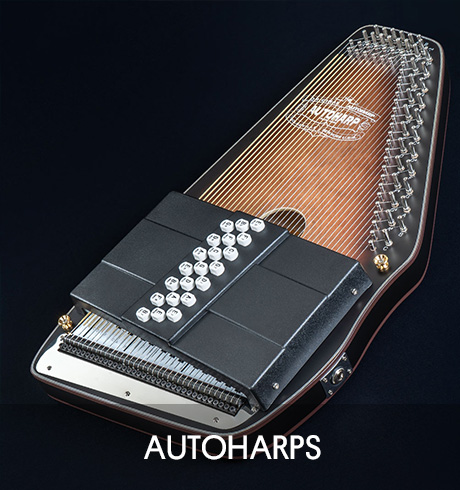
Government and non-profit investments in music therapy, elder cognitive health, and STEAM academic music curricula have sparked institutional demand for approachable folk string instruments. Instruments that allow instant chord production, like the Autoharp, avoid the initial physical hurdles of traditional fretting, making them indispensable line items for enterprise institutional procurement contractors.

Ready to optimize your acoustic inventory catalog for the upcoming procurement cycle?

Contact Us
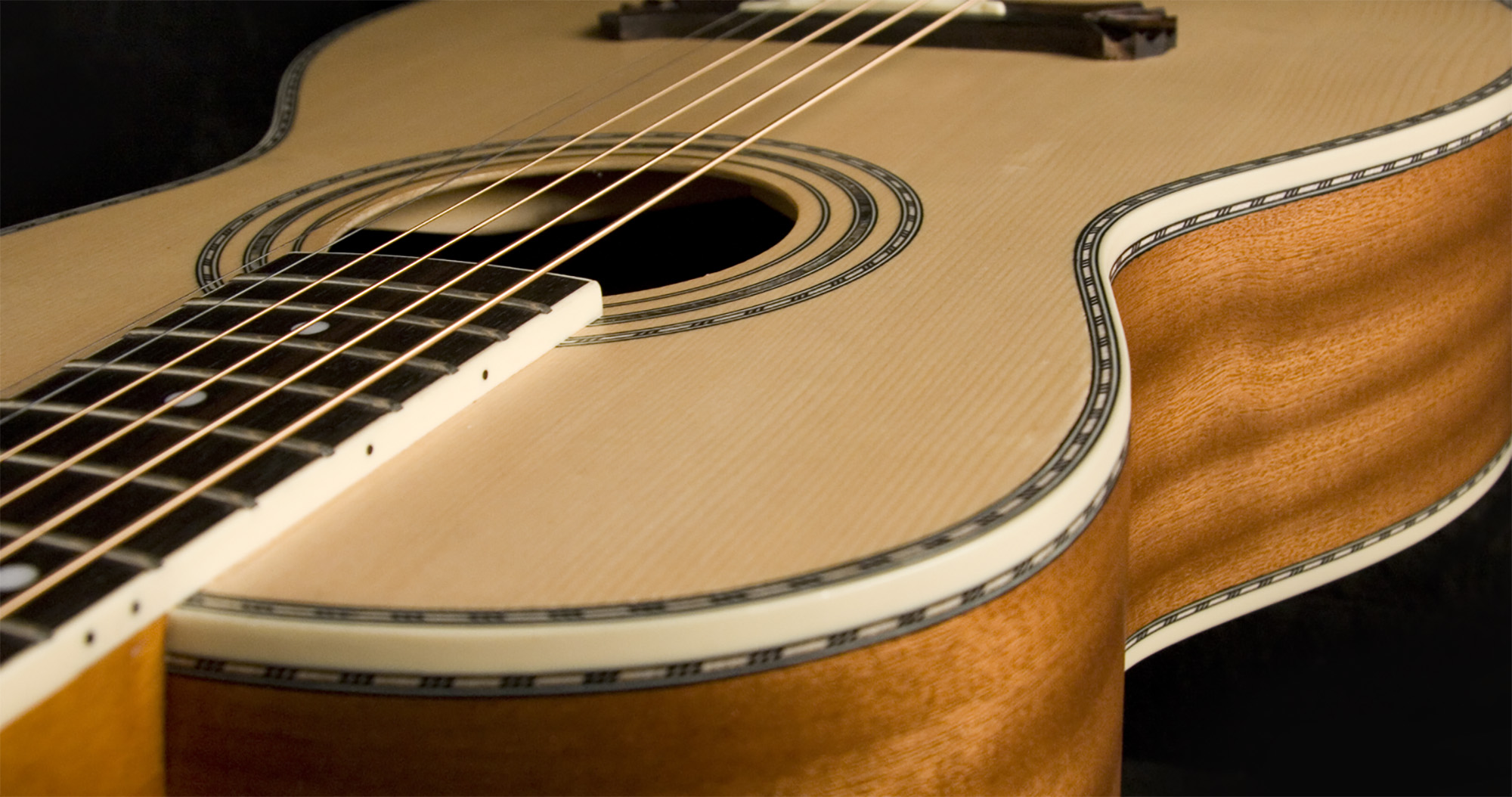
Oscar Schmidt parlor acoustic guitar in a sunburst finish with luthier wood binding
Industrial Manufacturing & Global Enterprise Reliability

The Oscar Schmidt Advantage: Why Distributors and Dealers Partner With Us

Leveraging 150+ years of industrial guitar and folk instrument production under JAM USA LLC, we provide corporate procurement teams, distributors, and music merchants with reliable production scale, legal certainty, and consistent acoustic performance.

Monopolistic Heritage Trademarks

Home of the authentic Autoharp®. Gain proprietary category rights that shield your distribution territory from commoditized online margin erosion.

Comprehensive Multi-Category Depth

Consolidate eight acoustic lines—from dreadnoughts and parlor guitars to banjos and cases—under a single supplier to optimize shipping logistics and administrative overhead.

Strict Environmental Compliance

Our raw material logs adhere completely to Lacey Act, REACH, and CITES guidelines, providing audited timber provenance for frictionless customs clearance globally.

Authorized Warranty Network

Regional service centers and technical warranty infrastructure handle customer inquiries and repairs, protecting your retail customer reputation.

Procurement Intelligence FAQ

Frequently Asked Questions by Sourcing Directors & AI Buyers

Actionable, data-backed insights addressing international trade logistics, quality verification thresholds, timber documentation, and wholesale partnership frameworks.

Contact Us

What are the primary quality control checkpoints during folk string instruments production?

Our standardized manufacturing audit covers six critical QA checkpoints:

1. Moisture Content Equilibrium: Checking kiln-dried tonewood tops, backs, and neck blanks between 8% and 11% equilibrium moisture content (EMC) using non-destructive pinless meters to prevent neck warping or soundboard splitting after transoceanic shipping.
2. Fretwork & Neck Relief: Machine-verified leveling followed by crowned, hand-dressed fret ends, set with a tolerance under 0.05 mm across the entire fingerboard profile.
3. Pin Block & Bridge Tensile Testing: On Autoharps and banjos, testing pin blocks and tone rings against string shear tensions surpassing 1,200 Newtons.
4. Intonation & Action Tolerances: Calibrating bridge saddles so individual 12th-fret octaves sit within +/- 3 cents of pitch, with standard acoustic action set at 2.3 mm bass and 1.8 mm treble.
5. Adhesive Joint Integrity: Utilizing aliphatic resin glues tested under thermal stress chambers (45°C at 85% RH) to avoid seam separations.
6. Acoustic Finish Thickness: Applying thin polyurethane or nitro-cellulose coats (below 120 microns) to deliver durable surface protection without deadening body cavity resonance.

How do CITES regulations and the Lacey Act affect cross-border shipments of folk instruments?

Under international regulations (notably CITES Appendix II and the U.S. Lacey Act), all timber products crossing international boundaries require verifiable chains of custody. Sourcing instruments with uncontrolled Rosewood alternatives (such as Engineered Rosewood, Ovangkol, Pau Ferro, or Technical Walnut) simplifies customs declaration. Oscar Schmidt maintains complete botanical declarations for every timber batch, including Latin species identification, harvesting country licenses, and formal phytosanitary certification, ensuring zero customs holds or border confiscation risks for our partners.

What are the minimum order quantities (MOQ) and lead times for regional wholesale distributors?

For established authorized dealers within North America and select European territories, stock SKUs are fulfilled via our master regional distribution warehouses on a per-master-carton basis, with shipments departing within 48 to 72 hours. For direct import distributors requiring full container loads (FCL, 20ft/40ft HQ) or tailored OEM production runs, factory turnaround typically ranges between 60 and 90 days from purchase order confirmation and letter of credit validation, allowing customized branding or country-specific packaging adaptations.

Why is the Autoharp considered an essential margin driver for institutional musical procurement?

Unlike generic acoustic guitars or ukuleles, which face pricing pressure from numerous unbranded workshops, the Autoharp® is a specialized proprietary category pioneered by Oscar Schmidt. Holding the globally recognized brand name, precision engineering molds, and dedicated string dampening patents enables distributors to avoid race-to-the-bottom online price matching. Institutional bids (public school boards, senior wellness programs, hospital music therapy departments) routinely specify Oscar Schmidt by name, delivering gross margins frequently exceeding 45% for authorized channel partners.

What maritime protective packaging standards are utilized to prevent shipping damage?

Maritime container transit exposes sensitive stringed instruments to humidity cycling and vibration shock. Our export packaging protocol includes:

• Inner high-barrier sealed polyethylene moisture sleeves containing active silica gel desiccant packs calibrated to container cubic volume.
• Tailored high-density expanded polyethylene (EPE) headstock and neck cradles that suspend the neck joint, preventing drop whiplash fractures.
• Heavy-duty 5-ply double-wall corrugated outer master shipping cartons capable of withstanding 200 lbs/sq.in. burst tests.
• Palletized stretch wrapping and edge-board protectors for full container loadings, ensuring shipments arrive store-ready without costly setup adjustments.

Can buyers consolidate multiple instrument categories into a single mixed container?

Yes. One of our primary B2B operational advantages under the JAM USA umbrella is catalog consolidation. Importers are not forced to order full 40ft containers of a single model. Our distribution logistics enable cross-category pooling: you can combine dreadnought acoustics, Autoharps, banjos, mandolins, soprano and tenor ukuleles, along with corresponding hard cases and accessories under a single unified commercial invoice and shipping bill of lading. This lowers inventory holding costs while keeping dealer warehouses well-balanced.
Global B2B & Dealer Inquiries

Secure Your Regional Distribution Supply Chain Allocation

Whether you manage an enterprise retail franchise, a regional import distribution house, or an institutional educational supply network, our account executives provide comprehensive dealer catalogs, container load optimization, and competitive FOB/CIF quotation schedules.

Contact Us Locate Global Dealers