Blog
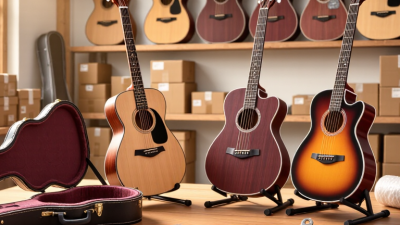
10 Tips for Buying Acoustic Guitars Wholesale
Buying Acoustic Guitars wholesale requires more than comparing catalog prices. It demands careful listening, practical inspection, and reliable supplier research. A low unit cost may look attractive, yet hidden defects can quickly reduce your profit. Experienced buyers examine wood quality, neck alignment, fret finish, bridge attachment, tuning stability, and protective packaging. They also request clear specifications before placing a large order. Photos help, but they cannot reveal every uneven fret or weak internal brace.
This guide presents ten practical tips for evaluating wholesale Acoustic Guitars with greater confidence. It considers factory reputation, sample testing, order quantities, customization, shipping protection, payment terms, and after-sales support. A supplier should provide consistent records, honest product details, and responsive communication. Ask for a sample guitar first. Play every string. Check the action near the twelfth fret. Small details matter.
Still, no buying guide removes every risk. Wood varies naturally, and production results can change between batches. I have seen attractive instruments fail because their cartons lacked proper corner protection. That mistake was expensive. A careful buyer should leave room for inspection costs, replacement claims, and slower seasonal demand. Some assumptions may need revision after real testing. The best wholesale decision balances sound, durability, appearance, and dependable service. In the following tips, each checkpoint helps turn a promising quotation into a more informed purchasing decision.
Read more »
 By:Evelyn
- October 14, 2026
By:Evelyn
- October 14, 2026

What Are Autoharp Accessories and Which Ones Do You Need?
Choosing the right Autoharp Accessories can change how comfortably, clearly, and confidently an autoharp performs. A padded case protects the instrument during travel. Fresh strings restore brightness. A reliable tuner prevents small pitch problems from becoming frustrating performance issues. Picks, chord-bar felts, straps, and cleaning cloths also serve different practical needs.
Professional autoharpist Bryan Bowers is often credited with saying, “The autoharp is easy to play, but difficult to play well.” That observation explains why accessories deserve careful attention. A beginner may only need picks, a tuner, and basic protection. A frequent performer may require replacement felts, spare strings, a microphone, and stronger stage support. The best choices depend on playing style, instrument model, budget, and maintenance habits.
Some accessories improve sound. Others mainly prevent damage. That difference matters. A thick case cannot correct poor tuning, while a new string set cannot protect a fragile finish. I have found that players often buy attractive extras before replacing worn felts or checking string condition. That choice can be expensive and disappointing. Sometimes, less equipment works better.
This guide examines essential Autoharp Accessories and separates useful upgrades from optional additions. It considers comfort, durability, compatibility, and long-term value. Readers will see what belongs in a starter setup, what touring musicians commonly carry, and what can wait. No accessory replaces practice. Still, the right tool can make each practice session quieter, steadier, and more rewarding.
Read more »
 By:Clara
- October 14, 2026
By:Clara
- October 14, 2026

How to Source Quality Autoharps Globally in 2026?
Sourcing quality Autoharps globally in 2026 requires more than comparing prices and glossy product photographs. Buyers must examine construction, materials, supplier records, and long-term service support. A dependable Autoharp should produce stable chords, responsive strings, clean button movement, and even resonance across its soundboard.
Experienced players often remind us that small details matter. Autoharp educator Bryan Bowers has said, “It’s easy to play, but difficult to play well.” That observation also applies to sourcing. A factory may offer an attractive sample, yet inconsistent tuning or weak replacement support can appear after shipment. Careful buyers should request production photos, material specifications, inspection reports, and warranty terms before placing larger orders. Serial numbers and batch records help connect each instrument to its manufacturing history.
Listen closely.
Global sourcing also requires practical verification. Compare several samples from the same supplier, not just one carefully selected unit. Check bridge alignment, finish quality, chord-bar spacing, case protection, and packaging strength. Confirm that suppliers follow applicable product, import, labeling, and environmental requirements in the destination market. These checks do not guarantee perfection, but they reduce avoidable surprises.
The process is not always neat. A respected supplier can still miss a delivery detail. A low-priced instrument can occasionally perform better than expected. That uncertainty deserves honest evaluation, not quick assumptions. In 2026, the strongest Autoharps sourcing strategy will combine expert listening, documented inspections, transparent communication, and a willingness to reconsider early conclusions. Quality is measurable, but musicians ultimately reveal it.
Read more »
By:Clara
- October 14, 2026