0%

Choosing the best mandolin to buy starts with how and where you plan to play. A beginner practicing at home may value comfortable frets and a stable tuning setup more than ornate trim. Someone playing bluegrass with a group may prefer the punchy projection of an A-style or F-style instrument. Your hands, musical goals, and budget all matter.

Listen closely. Compare instruments in person when possible, or seek clear recordings that show their tone across the strings. Notice whether the notes sound even and whether chords remain clear higher up the neck. Playability matters just as much. Check for sharp fret edges, strings that feel unusually high, and tuning keys that turn smoothly. A properly adjusted mandolin can feel easier to play than a more expensive instrument with poor setup.

Mandolins vary in body shape, construction, strings, and price, so a label alone cannot tell you which one is best. Solid-wood models may offer a different response from laminate instruments, but materials are only part of the picture. Ask a reputable music shop about setup, return options, and the instrument’s condition. If you shop online, review detailed specifications and make sure you can get qualified service nearby. It is easy to focus on tone and overlook comfort; that is a common mistake. Leave room in your budget for picks, a case, and possibly a setup. The best choice is the one you can play comfortably, hear clearly, and enjoy returning to.
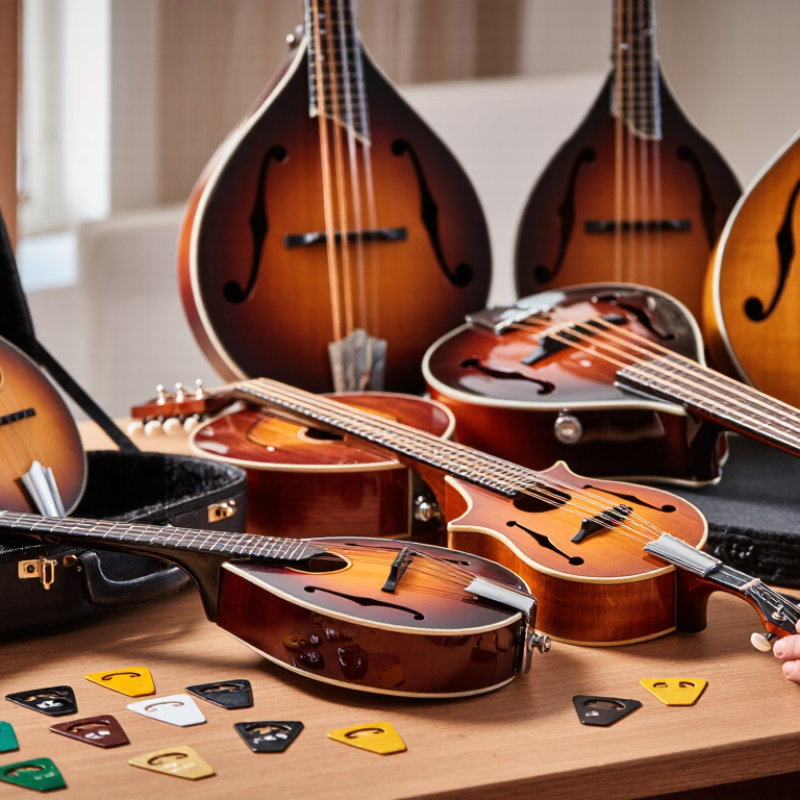
How to Choose the Best Mandolin to Buy

Identify Your Musical Goals and Intended Use

Before comparing mandolins, decide what you want to play and where. Bluegrass rhythm often calls for clear projection and quick response, while folk melodies may suit a warmer, gentler tone. If you will practice at home, consider volume and comfort, not just sound. A bright instrument may impress in a shop but feel tiring in a small room. Think about whether you will play seated, standing, or with other musicians. Small details matter.

Your intended use can guide body style, neck feel, and budget. An A-style body is often lighter and simpler; an F-style adds decorative details, but decoration does not guarantee better sound. Try several instruments if possible. Play open strings, a few chords, and a melody you know. Listen for even volume across the strings, and notice whether the frets feel comfortable. Ask a qualified technician about action, intonation, and setup. A poor setup can disguise a good instrument—or make practice frustrating. That is easy to overlook.

Tips: Bring a short list of songs you actually play. Check the mandolin with a strap if you plan to perform standing. Choose the one that feels inviting after ten minutes, not merely the flashiest one. Your preferences may change, so leave room for that possibility.

How to Choose the Best Mandolin to Buy: Identify Your Musical Goals and Intended Use

Compare the lowest open-string pitch to find the register that suits your musical goals. A standard mandolin is tuned higher; an octave mandolin and a mandocello offer progressively lower ranges. Frequencies shown are based on common tunings in equal temperament (A4 = 440 Hz); tunings can vary.

Compare Mandolin Types, Materials, and Construction

A-style mandolins usually have a rounded body; F-style instruments add pointed bouts and a carved scroll. These shapes affect appearance, balance, and often price, but they do not reliably predict sound quality. Bowlback designs have a rounded back and a more traditional feel, while flatback models sit comfortably against the player. Try each shape seated and standing. Small details matter.

Top and body materials influence weight and response. The USDA Forest Products Laboratory’s Wood Handbook (FPL-GTR-282, 2021) lists specific gravity near 0.40 for Sitka spruce and 0.63 for sugar maple. These figures describe wood density, not a guaranteed tone. Spruce tops are common; maple backs and sides can add stiffness and weight. Solid wood may respond differently from laminate, but construction quality and setup matter too. Wood species alone cannot decide it.

Look closely at the joints, finish, and bridge placement. Check whether the neck feels stable and whether the strings sit comfortably above the frets. A carved top can cost more, yet a well-made pressed top may suit a beginner’s budget. Be cautious of neat-looking finishes. They hide flaws. I would compare the same notes on several instruments, though shop noise can make that test imperfect. A trusted repair technician can inspect structural details before purchase.

Assess Sound, Playability, and Build Quality

A mandolin should feel convincing in your hands, not merely look polished online. Test it seated and standing. Listen for clear, even notes across all four courses, especially when you play softly. Then pick harder. A piercing high string or muddy low course may become tiring during longer sessions. The National Association of Music Merchants’ 2023 Global Report estimated the U.S. music products industry’s economic impact at $17 billion. That figure reflects a broad industry, not mandolin quality, but it supports one practical point: compare instruments in person when possible.

Check playability with a slow chromatic scale. Notes should sound clean without requiring painful pressure, and the neck should feel comfortable in your fretting hand. Ask a qualified repair technician to inspect the action, fret ends, and neck relief; small setup issues can distort your impression of an otherwise sound instrument. Look closely at the bridge, tuning machines, and body joints. They should feel secure, with no rattles or visible gaps. Bring a tuner. Try your own pick, too. My judgment can be wrong: a stiff action may improve after adjustment, while a beautiful tone in a quiet shop may not carry onstage.

Set a Budget and Compare Included Accessories

Set a firm budget before comparing mandolins, and reserve part of it for essentials. The instrument’s price is only one part of the real cost. A sturdy case protects it from bumps on the way to lessons. A clip-on tuner makes pitch checks quick, while spare strings are useful when one breaks. Leave room for a basic setup if the strings feel high or the notes buzz. Small adjustments can affect comfort more than a glossy finish.

Compare what each package includes, then check whether the accessories are actually useful. A thin gig bag may suit short trips, but it offers less protection than a padded case. Picks are inexpensive, yet different thicknesses can change the feel and volume. Check that any strap, tuner, or stand fits your needs. Package contents vary, so read the details rather than assuming every pictured item is included. It is easy to overvalue a long accessory list; quality matters more than quantity.

Tips: Ask a music teacher or repair technician to inspect the setup before buying. Test the mandolin seated and standing, if possible. Note any sharp fret edges or rattling. A low price can be tempting, but comfort is worth checking carefully. You may still need to replace an accessory later.

How to Choose the Best Mandolin to Buy - Set a Budget and Compare Included Accessories

Approximate Budget (USD) Typical Mandolin What to Look For Accessories Often Included Possible Extra Costs Best Suited To
$100–$250 Entry-level A-style mandolin, commonly with a flat or pressed top Check for comfortable action, evenly spaced frets, stable tuning machines, and a top that is not visibly warped. A basic gig bag, strap, picks, or tuner may be bundled; the exact package varies. A better-fitting setup, replacement strings, and a clip-on tuner if one is not included. First-time players and occasional practice.
$250–$600 More refined A-style model, often with improved materials and a carved or graduated top at the upper end Compare fretwork, neck comfort, bridge adjustment, finish quality, and how clearly notes ring across the fretboard. A padded gig bag and basic accessories are possible, but should not be assumed. A protective case, instrument setup, and spare string set may be worthwhile. Committed beginners and regular hobby players.
$600–$1,500 Intermediate A-style or entry-level F-style mandolin, often with carved construction Assess projection, note separation, neck stability, clean fret ends, and whether the instrument stays in tune during playing. A fitted or padded case may be included; verify the listing rather than relying on the price tier. A professional setup, humidifier for dry environments, and a sturdy case if the included one is basic. Frequent players, ensemble use, and players seeking a more responsive sound.
$1,500 and up Higher-grade carved A-style or F-style instrument, including custom or small-batch options Try the instrument if possible; compare tone, response, ergonomics, build details, service support, and return conditions. A hard case is common in some packages, but included accessories still differ by seller and instrument. Insurance, shipping protection, maintenance, and suitable humidity control. Experienced players, performers, and buyers with specific tonal or construction preferences.

Price ranges are broad estimates in U.S. dollars, not fixed market prices. Included accessories vary by seller and package; confirm each item in the product listing. Prioritize a playable setup and a suitable case over a large bundle of low-cost extras.

Test Suitable Mandolins Before Making Your Choice

Before buying a mandolin, try several suitable instruments in person, if possible. Sit in your usual playing position and hold each one for a few minutes. Notice whether the neck feels comfortable and whether your left hand can reach the frets without strain. Play open strings, simple chords, and a short melody you know well. Listen for clear notes across the strings, not just a bright sound on the first few. Small details matter. Check that notes stay in tune as you move up the neck, and ask a knowledgeable shop staff member to inspect the action and fret condition.

Use the same short passage on every instrument so comparisons feel fair. A loud mandolin may seem impressive at first, but tone and comfort matter more over a full practice session. If you are new to playing, ask someone experienced to listen while you play; it can be hard to hear everything from your own position. Try instruments in a quiet room, and take notes about what felt easy or awkward. It is easy to get this wrong. A quick test cannot predict every rehearsal or performance, and unfamiliar strings may affect your impression. Still, a careful comparison can reveal which mandolin feels dependable in your hands.

FAQS

What should I consider before choosing a mandolin?

Think about the music you play, where you practice, and whether you sit or stand. A bright sound can feel tiring in a small room. Small details matter.

How do A-style and F-style mandolins differ?

An A-style body is often lighter and simpler. An F-style body has decorative details, but decoration does not guarantee better sound.

What should I play when testing a mandolin?

Try open strings, simple chords, and a short melody you know. Use the same passage on each instrument for a fair comparison.

How can I tell if a mandolin feels comfortable?

Hold it in your usual playing position for several minutes. Notice whether your left hand reaches the frets easily and whether the neck feels natural. Awkwardness counts.

What should I listen for during a test?

Check for clear, even notes across all strings. Move up the neck and listen for notes that stay in tune.

Should I include accessories in my budget?

Yes. Set aside money for a protective case, tuner, spare strings, and possible setup work. A long accessory list may not mean much.

Is a gig bag enough protection?

A gig bag may work for short trips, but a padded case offers more protection from bumps. Check what the package actually includes.

Can a quick test predict how a mandolin will perform later?

Not completely. Unfamiliar strings or a noisy room can affect your impression. Take notes, and ask an experienced player to listen. I could still miss something.

Conclusion

Choosing the best mandolin begins with understanding your musical goals and how you plan to use the instrument. Consider the styles you want to play, your experience level, and whether you need a mandolin for regular practice, performances, or occasional enjoyment. Then compare available types, materials, and construction, since these can influence an instrument’s feel, durability, and tone.

Pay close attention to sound, playability, and overall build quality. A comfortable neck, responsive strings, and solid workmanship can make learning and playing more enjoyable. Set a budget that reflects your needs, and check which useful accessories are included. Whenever possible, test several suitable Mandolins in person, listening for a tone you like and noticing how each one feels in your hands. Taking time to compare these factors can help you make a confident choice.

Clara

Clara

Clara is a highly skilled marketing professional with a strong understanding of market trends, customer needs, and effective digital communication. As a valued member of our company, she specializes in translating complex products and services into clear, practical, and engaging content that helps......