A dependable instrument case does more than look polished. It cushions the instrument, closes securely, and stays comfortable through a long walk from the car to the rehearsal room. In 2026, choosing among Instrument Cases and Bags means weighing real use, not just product photos. A hard-shell case may suit frequent travel, while a padded gig bag can feel lighter for nearby lessons. Fit matters. A loose instrument can shift; an overly tight case can press against delicate parts.
The best choice depends on the instrument, your routine, and the protection you need. Check the interior supports, zipper or latch quality, handle stitching, and storage pockets. Picture a rainy walk, a crowded train, or a case resting beside a stage. Small details matter there. Still, no case solves every problem, and product claims deserve a careful look. Materials, construction, and warranty terms vary by model, so verify specifications before buying.
A trustworthy expert quotation needs a verifiable source, and none was provided with this request. Rather than inventing a specialist’s name or words, this guide uses a practical test: the case should protect the instrument without making ordinary transport unnecessarily difficult. That sounds simple. It is not always. The sections ahead compare leading options and explain which features suit different musicians, budgets, and playing routines.
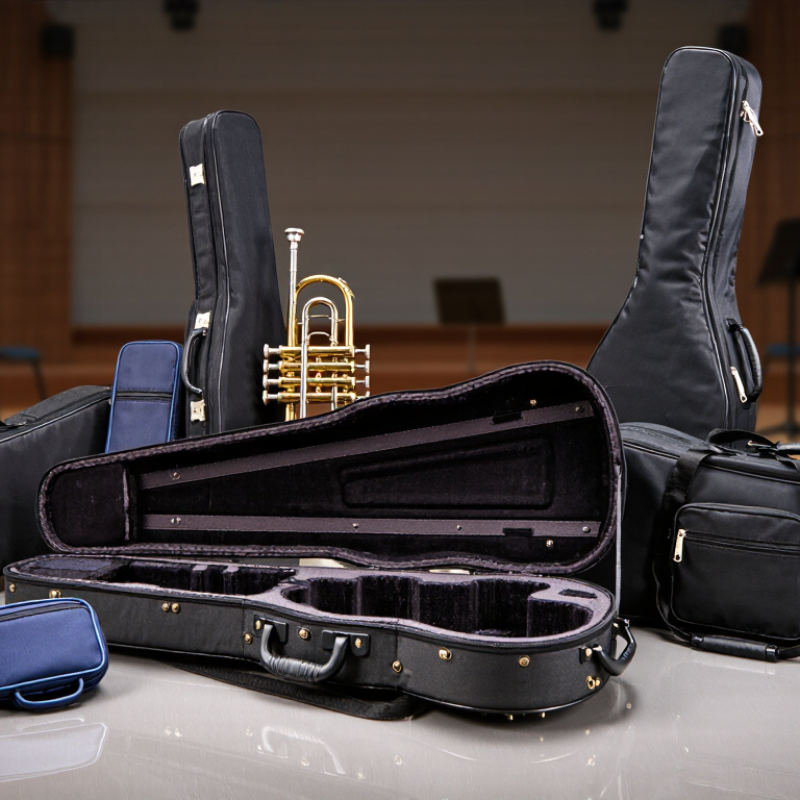
What Instrument Cases and Bags Are and What They Protect
Instrument cases and bags are protective carriers shaped around an instrument’s size, structure, and everyday use. A rigid shell can help resist crushing and sharp knocks, while a padded gig bag softens smaller bumps and is easier to carry. Neither option is universally safer. A loose fit lets an instrument shift; overly tight padding can press on bridges, keys, or tuning parts. Check support around the neck and body, zipper quality, handles, and whether the instrument stays put when the case is gently tilted.
Cases and bags also reduce exposure to dust, scratches, and quick changes in temperature or humidity. They cannot control room conditions. During a rainy walk, a water-resistant exterior may slow moisture, but seams and openings can still leak. Dry the instrument before closing it, and avoid leaving it in a hot car or beside a heater. Small habits matter. Interior fabrics should not shed lint, and pockets should not press against delicate surfaces. For frequent travel, compare weight with protection; a very heavy case may stay home, which defeats its purpose. The right choice depends on the instrument, commute, storage space, and handling. Even good protection has limits, and the best fit may take a second look after real use.
| Case or Bag Type | Typical Construction | What It Protects Against | Common Features | Best Suited For | Main Trade-Off |
|---|---|---|---|---|---|
| Padded Gig Bag | Flexible fabric shell with foam padding and a soft interior lining. | Light scratches, dust, and minor bumps during everyday carrying. | Shoulder straps, handles, accessory pockets, and lightweight construction. | Local travel, rehearsals, lessons, and instruments carried frequently by hand. | Offers less protection from crushing, drops, and heavy impacts than a rigid case. |
| Rigid-Shell Case | Hard outer shell made from materials such as molded plastic, wood, or composite panels, with a shaped padded interior. | Impacts, pressure, and handling that could damage an instrument’s body or components. | Secure latches, interior supports, handles, and compartments for small accessories. | String instruments and other instruments that need firm support during transport or storage. | Usually heavier and bulkier than a soft bag. |
| Foam-Fitted Case | Rigid outer shell with dense foam shaped or arranged to hold an instrument in position. | Movement inside the case, knocks, and some vibration during transport. | Close-fitting support, protective padding, and space for selected accessories. | Instruments with delicate parts or shapes that benefit from a stable, close fit. | The fit may not suit instruments with different dimensions or added accessories. |
| Flight or Touring Case | Heavy-duty rigid construction, often with reinforced edges, protective lining, and robust hardware. | Repeated loading, stacking pressure, and rougher transport conditions. | Reinforced corners, strong latches, handles, and sometimes wheels. | Touring, frequent freight handling, and transport where cases may be stacked. | Typically heavier, larger, and less convenient for routine short trips. |
| Instrument-Specific Case | Soft or rigid construction designed around the shape and support points of a particular instrument type. | Movement and contact at instrument-specific vulnerable areas, when the fit is correct. | Shaped compartments, neck or body supports, and pockets sized for related accessories. | Instruments with distinctive shapes, components, or storage requirements. | May not fit a different model or an instrument with substantially different dimensions. |
| Protective Instrument Sleeve | Lightweight fabric cover, generally with thin padding and a simple opening. | Dust, surface scuffs, and light contact while an instrument is stored or carried inside another case. | Compact profile, soft lining, and minimal added bulk. | Storage inside a larger case or careful short-distance handling. | Not intended to replace a padded bag or rigid case for impact protection. |
| Multi-Instrument Bag or Case | Soft or rigid exterior with separate sections or dividers for more than one instrument. | Instrument-to-instrument contact when dividers and compartments are used correctly. | Multiple compartments, shared accessory storage, and carrying handles or straps. | Musicians transporting several compatible instruments together. | Can be heavy when loaded, and each instrument still needs a secure, suitable fit. |
FAQS
A hard case helps resist crushing and sharp knocks. A padded bag is lighter and softens smaller bumps. Neither is always safer.
Gently tilt the closed case. The instrument should not slide around. Check that padding does not press on the neck, bridge, keys, or tuning parts.
Look for steady neck support and a zipper that closes without pressure. Extra pockets matter less than a secure fit.
Check for snug internal support and a secure bow holder. Rosin should have its own space, so it cannot strike the instrument.
Brass cases should protect valves and slides. Keyboard cases need reinforced corners and little room for sliding. Padded compartments help keep drum pieces apart.
It may slow moisture, but seams and openings can still leak. Dry the instrument before closing the case.
For daily walking, balanced straps and lighter weight can help. For frequent loading or flights, sturdy handles, latches, and stronger shells may be useful.
No. A loose fit can let the instrument move, and a heavy case may stay at home. I might still choose a lighter bag, though that trade-off deserves a second thought.
Conclusion
Instrument Cases and Bags protect instruments from bumps, scratches, dust, moisture, and the wear of regular travel. Options range from lightweight soft bags and padded gig bags to semi-rigid designs and hard cases, each offering a different balance of portability, protection, storage, and cost. The right choice depends on the instrument’s shape and size, how often it is transported, and the conditions it may encounter.
When comparing options in 2026, consider the quality of padding and construction, secure closures, comfortable handles or straps, useful compartments, and a reliable fit. A musician who commutes frequently may prefer a light, easy-to-carry bag, while touring or long-distance travel may call for a more protective case. The best option is one that suits the instrument, travel routine, and budget without adding unnecessary weight or sacrificing dependable protection.