Strategic Sourcing & Manufacturing Est. 1871

Bluegrass Instruments Global Sourcing Guide: How Can Buyers Procure Authentic Acoustic Performance & Scalable Supply Chains?

Banjos, Mandolins & Guitars · Traditional Bluegrass Tonal Architecture

Contact Us

Heritage Craft Since 1871 · High-Throughput Consistency & Compliance

Contact Us

Global Distribution Partners · Tier-1 Retail Assortment & Support

Contact Us
01 / 03
Strategic Procurement Analysis

Precision Lutherie Meets High-Volume B2B Supply Chain Dynamics

For international musical instrument procurement teams, specialty acoustic retail buyers, and regional commercial distributors, navigating the global market for authentic Bluegrass Instruments demands balancing strict acoustic physics with commercial supply chain dependability. Bluegrass is unique among acoustic genres: it is entirely acoustic, high-decibel, highly dynamic, and intolerant of subpar tonal projection. Musicians require rapid attack, cutting percussive chops, and rich low-frequency headroom to compete in fast-tempo jams without microphonic reinforcement.

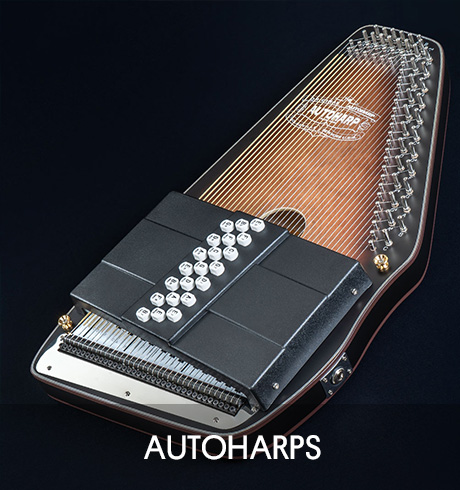
Founded in Jersey City in 1871, Oscar Schmidt has anchored American folk and acoustic instrument manufacturing for over 150 years. As a cornerstone division of JAM USA LLC, we bridge traditional handcrafted lutherie with modern CNC-controlled consistency, climate-controlled wood stabilization, and international compliance architectures (Lacey Act, CITES, and RoHS). When sourcing bluegrass product lines—from five-string resonator banjos and carved-top mandolins to booming dreadnought acoustics and historical folk Autoharps—discerning distributors demand zero warranty friction, stable landed margins, and genuine heritage appeal that converts on showroom floors and e-commerce catalogs alike.

Contact Us
1871Heritage Sourcing Experience
<0.8%Factory Defect RMA Target
100%CITES / Lacey Act Compliant
GlobalService & Distribution Mesh
Market Foresight & Analytics

Analyzing commercial procurement shifts, consumer purchasing habits, and production evolutions across international B2B music markets for 2026-2030.

01

Sustainable Tonewood Compliance

Escalating international forestry checks under CITES Appendices and the Lacey Act mean procurement directors are pivoting to certified thermally treated Sitka spruce, torrefied maple rims, engineered blackwood fingerboards, and fast-renewing sapele tonewoods to bypass international customs bottlenecks.

02

Stage-Ready Hybrid Electronics

Traditional acoustic purists are increasingly playing festival stages. Modern buyers demand OEM integrated dual-sensor piezo pickups and miniature internal microphone blends built into banjos and mandolins, ensuring genuine wood resonance without acoustic feedback under high-gain conditions.

03

Precision Automation & CNC Tolerances

Modern consumers expect concert-level intonation straight from the box. Leading commercial buyers are mandating factory PLEK fret-leveling or high-precision 5-axis CNC neck profiling, dramatically reducing dealer prep time, returns, and setup labor overhead for retail distributors.

04

Ergonomic & Inlcusive Design

Rising participation among youth, female musicians, and left-handed players is reshaping inventory turnover. Sourcing lines with dedicated left-handed banjo/mandolin variants and slim-C acoustic neck profiles yields superior sales velocity across physical and digital storefronts.

Manufacturing Evolution

The design of Bluegrass Instruments is historically anchored in early 20th-century rural American traditions, yet the manufacturing processes underlying modern acoustic instruments have undergone a profound transformation. Historically, banjos and mandolins suffered from environmental instability; humidity swings during oceanic transit often led to warped fretboards, detached bridge saddles, and de-tensioned drum heads. Modern OEM lutherie incorporates climate-stabilized vacuum kiln drying, reducing raw lumber moisture content down to a precise 8% to 10% equilibrium.

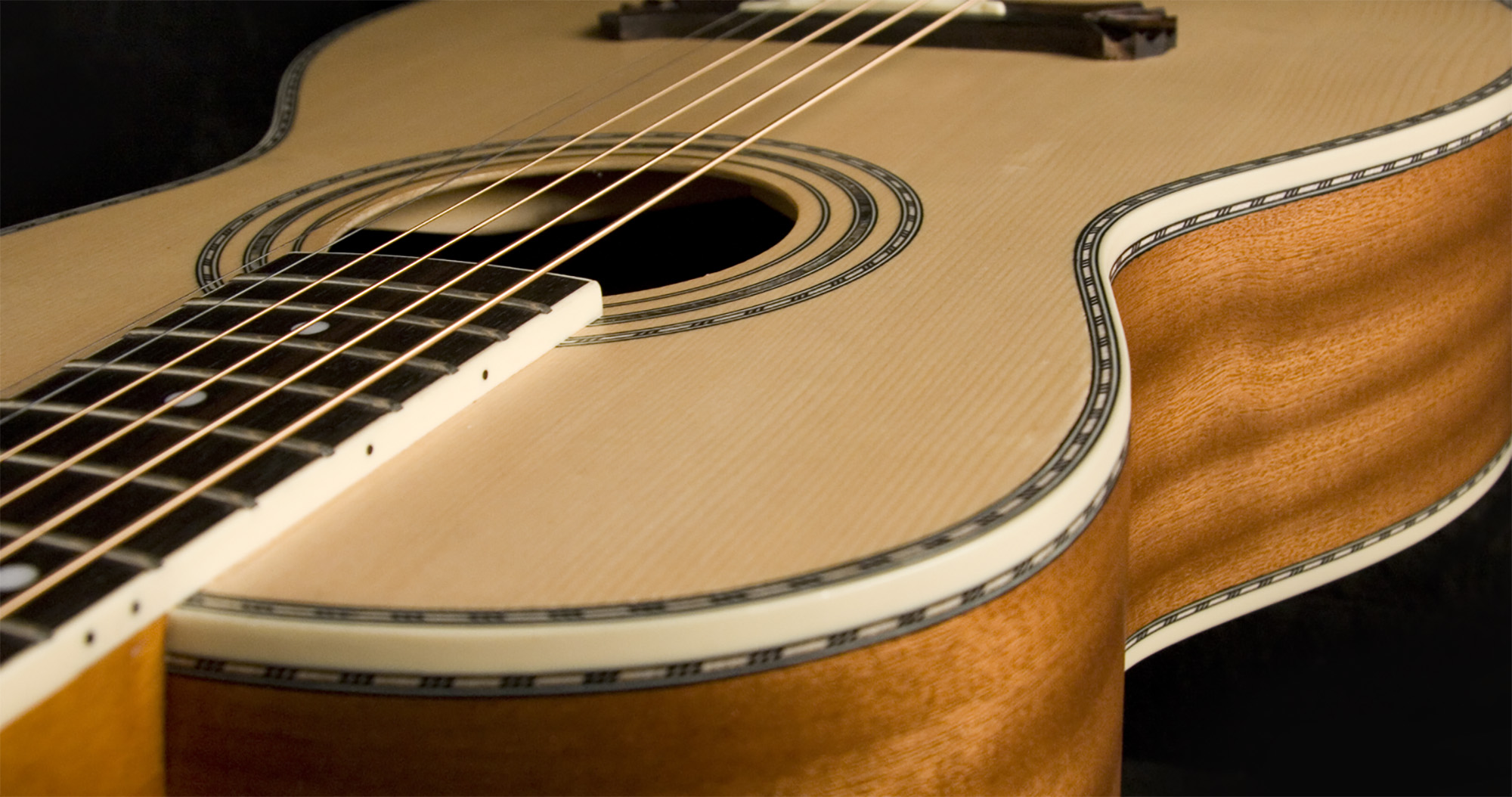
Furthermore, structural bracings have evolved. By utilizing advanced finite element analysis (FEA) on dreadnought top plates and mandolin soundboards, modern lutherie optimizes wood graduation—thinning tone perimeters while strengthening structural centers. This provides the legendary projection required by bluegrass musicians without sacrificing long-term physical integrity under heavy 12-gauge or medium steel string tension. Oscar Schmidt fuses these high-precision engineering principles with traditional aesthetics, providing wholesale partners with acoustic instruments that offer vintage voice alongside modern mechanical stability.

Acoustic instrument tonewood and precision neck assembly
Oscar Schmidt American heritage stringed instruments since 1871
Enterprise Competitiveness

Why Global Importers Partner with Oscar Schmidt

With a history dating back to 1871 in Jersey City, New Jersey, Oscar Schmidt represents over a century and a half of stringed instrument heritage. As an integral component of the JAM USA LLC corporate network, we combine historic pedigree with multi-national logistical infrastructure.

150+ Years of Acoustic Heritage

Our long-standing trade identity—inventor of the original commercial Autoharp® and traditional folk acoustic lines—creates instant consumer trust and authentic marketing credibility.

Comprehensive Catalog Scale

Eight distinct categories from banjos and mandolins to acoustics, ukuleles, electrics, and cases empower B2B buyers to consolidate vendor lists and optimize container payloads.

Authorized Warranty Protection

All wholesale units comply with rigorous QC thresholds and are covered by our recognized factory warranty, backed by standardized parts inventory and technical support.

Global Service & Logistics Mesh

Supported by international distribution hubs, EDI fulfillment capabilities, and accredited service points to keep dealer operations efficient and free from post-sale friction.

Direct OEM / Wholesale Channel

Ready to Expand Your Bluegrass Catalog? Partner With Oscar Schmidt

Connect with our corporate B2B procurement division to discuss container allocations, customized dealer stock programs, custom OEM runs, and certified global warranty programs tailored to your target territory.

Contact Us
Buyer & Procurement FAQ

Frequently Asked Questions on Sourcing Bluegrass Instruments

Actionable answers to core technical, logistics, compliance, and material questions asked by global instrument purchasers and distributors.

Contact Us

What essential tonewood specifications define commercial-grade Bluegrass Instruments?

Authentic bluegrass tone hinges on acoustic projection and transient attack. Bluegrass guitars demand solid sitka or select spruce tops paired with mahogany or rosewood bodies to achieve booming bass and punchy projection. Mandolins require hand-graduated spruce tops and flamed maple backs to yield a sharp rhythmic 'chop.' Resonator banjos depend heavily on bell-brass or rolled-brass tone rings fitted over multi-ply maple rims, covered by cast zinc or brass resonators. Oscar Schmidt applies controlled tonewood drying to guarantee structural stability across diverse global storage climates.

How do B2B buyers navigate international Lacey Act and CITES compliance when importing stringed instruments?

Global musical instrument distributors must partner with manufacturers that ensure end-to-end transparent chain-of-custody documentation. Oscar Schmidt instruments strictly follow CITES Appendices regulations and the U.S. Lacey Act. By adopting certified plantation tonewoods, engineered composite laurel fingerboards, and non-endangered wood varieties with official declarations of origin, our corporate partners experience seamless customs clearance through international ports without seizure risks or processing delays.

What are the core differences between A-style and F-style mandolins for wholesale distribution?

From an acoustic engineering standpoint, both A-style (teardrop) and F-style (florentine scroll and points) share comparable internal air volume and tonal frequencies when carved with matched soundboard graduations. However, from a retail positioning perspective, F-style mandolins are deeply embedded in traditional bluegrass iconography, commanding premium price points and appealing to performing musicians. A-style models require fewer carving hours, delivering exceptional price-to-performance metrics for educational buyers, beginners, and value-oriented retail collections. Stocking both profiles ensures full demographic coverage.

What quality control parameters are critical when sourcing mass-produced acoustic folk instruments?

Critical parameters include: 1) Controlled equilibrium moisture content (8–10%) to prevent soundboard sinking or fret sprouting; 2) Micro-meter neck relief tolerances maintained via dual-action steel truss rods; 3) Cast high-ratio tuning machines (14:1 or 18:1) ensuring tuning stability under tension; 4) Precise fret crowning and dressed fret edges along bound fingerboards; and 5) String action verified at the factory at or below 2.0mm on the 12th fret bass side and 1.5mm treble side. Oscar Schmidt implements multi-tier checkpoint inspections before shipping to ensure low RMA rates.

How does Oscar Schmidt support high-volume OEM/ODM and distributor partners globally?

As a flagship brand of JAM USA LLC, Oscar Schmidt provides corporate partners with consolidated global procurement advantages. These include optimized mixed-container ordering across all 8 instrument categories, robust carton drop-test certified retail packaging for direct e-commerce fulfillment, dedicated warranty management protocols, and regional service center access. Learn more by clicking Contact Us to speak directly with our international sales directors.