Precision Mandolin Models & Acoustic Gear
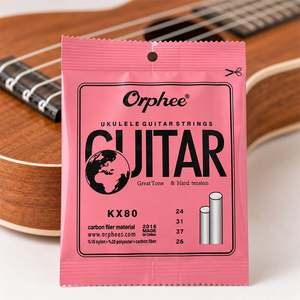
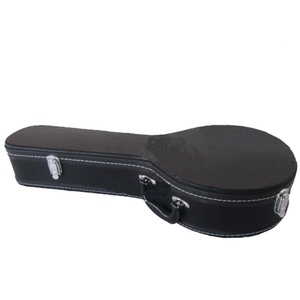
Explore our export-ready collection of teardrop A-style mandolins, matched arched hardshell cases, carbon strings, and complementary stringed instruments built to international acoustic standards.
A-Style Mandolin Manufacturing: Structural Acoustic & Compliance Architecture
A technical teardown of CNC archtop graduation, internal tone bar voicing, and CE-marked chemical non-toxicity standards for institutional procurement teams.
Acoustic Top Arching & Graduated Tops
Unlike flat-top folk instruments, professional A-style mandolins rely on an arched soundboard under high string down-bearing pressure. Our manufacturing centers employ multi-axis CNC profiling followed by manual luthier tuning to graduate solid Sitka spruce or select spruce veneers from 3.8mm along the central bridge axis down to 2.4mm at the recurve perimeter. This geometry allows the top to flex dynamically under the approximate 45-50 lbs of downward bridge pressure exerted by tuned double courses, providing instant transient velocity and a punchy bluegrass "chop".
Tone Bar Voicing vs. X-Bracing
For B2B distributors serving diverse playing niches, our production matrix specifies structural bracing options: parallel tone bars produce targeted projection with strong midrange presence tailored for ensemble cutting, whereas modified X-bracing emphasizes rounded warmth, bass sustain, and Celtic folk overtone resonance. Tone bars are hand-notched, glued using high-tack resonance-preserving adhesive resins, and acoustic-tapped to reach designated resonant nodal targets prior to final rim assembly.
CE Certification & Chemical Safety
Commercial importation into European Union territories strictly governs chemical discharge and non-toxic materials under EN 71-3, RoHS, and REACH protocols. Our mandolins use certified low-VOC polyurethane or ultra-thin nitrocellulose lacquer coatings free from hazardous heavy metal residues, plasticizers, and aromatic amines. Hardware, including nickel/gold-plated cast tailpieces, frets, and closed-gear machine heads, undergoes 48-hour neutral salt-spray anti-corrosion testing.
Future Sourcing & Procurement Trends in Mandolin Supply Chains
Strategic analysis of consumer demands, material alternatives, and modern production methods guiding wholesale buying decisions from 2025 through 2030.
Onboard Active/Passive Preamp Transducers
Traditional acoustic-only mandolins are steadily losing share in professional gigging and classroom segments to factory-fitted dual-piezo transducers. Buyers prioritize unamplified natural resonance coupled with low-noise undersaddle pickups, integrated endpin jacks, and discreet soundhole volume wheels that streamline connection to stage PA systems without altering traditional teardrop body aesthetics.
Thermally Modified Tonewoods (Torrefaction)
Global climatic instability requires wood stability across variable destination markets. Torrefied spruce tops and roasted maple necks undergo oxygen-deprived kiln baking at 160°C–200°C, crystalizing cellular hemicellulose to simulate 50-year vintage acoustic resonance while drastically reducing seasonal warping and moisture-induced bridge lift during ocean transport.
CITES-Exempt Eco Fingerboard Alternatives
Cross-border customs delays involving endangered rosewoods (Dalbergia) have prompted major OEMs to implement stable synthetic alternatives. High-density engineered black technical wood, thermally crystallized walnut, and micarta fretboards offer consistent density, resistance to fret sprout, and zero customs paperwork delays under CITES Appendix II regulations.
Enterprise Advantages for Global Retail & Brand Partners
Combining over 150 years of historic instrument lineage with automated volume manufacturing, robust warranty structures, and international logistical assurance.
Historic American Brand Pedigree
Founded in 1871 in Jersey City, our century-and-a-half legacy carries global brand recognition, consumer confidence, and trusted acoustic craftsmanship passed down through generations of luthiers.
Extensive 8-Category Cross-Sourcing
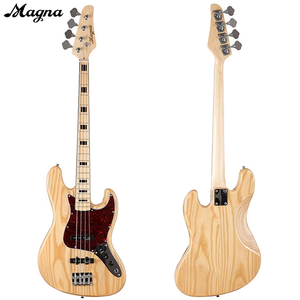
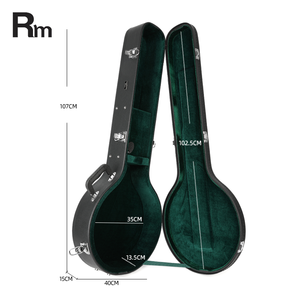
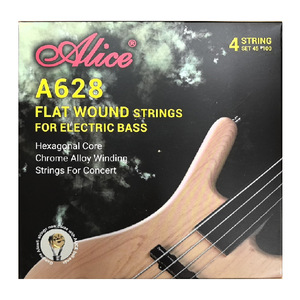
Maximize shipping efficiency by bundling A-style and F-style mandolins with acoustic guitars, autoharps, ukuleles, banjos, electric basses, and tailored hard-shell instrument cases in unified shipping containers.
Strict Factory Warranty Assurance
Every commercial wholesale shipment is backed by official corporate warranty coverage, strict AQL 2.5 inspection tolerances, and authorized maintenance service centers for immediate technical backstop.
Left-Handed & Custom Tooling
We solve market stockouts by providing genuine mirrored left-handed mandolin models alongside full bespoke OEM branding, personalized headstock inlays, unique burst finishes, and packaging designs.
Direct Factory B2B Supply & Customization
Inquire today to review detailed product spec sheets, full wholesale unit pricing ladders, minimum order volumes (MOQ), and shipping lead times for our CE Certified Mandolin series.
Get CatalogMandolin Sourcing & Manufacturing FAQ
Clarifications on technical tolerances, regulatory certification, quality control parameters, and volume ordering agreements.