CE Standard
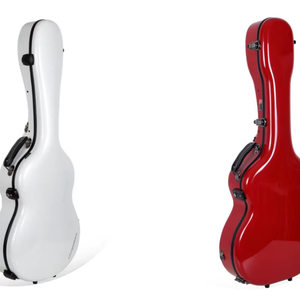
Explore our industrial-grade, CE-compliant fiberglass and carbon composite case collection engineered with high-impact resistance, calibrated atmospheric insulation, and precision ergonomics.
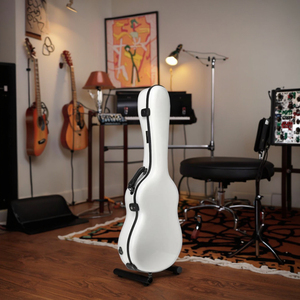
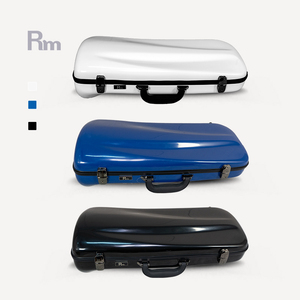
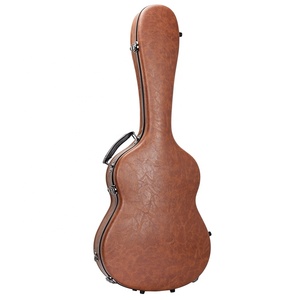
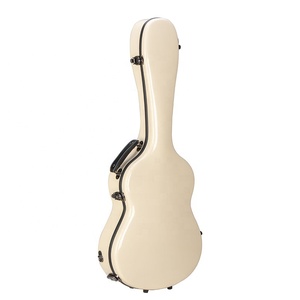
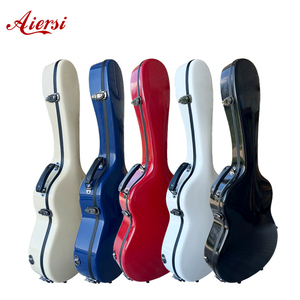
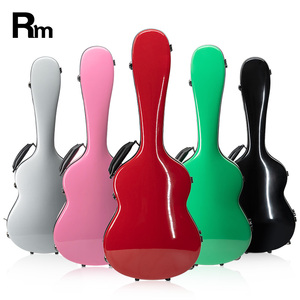
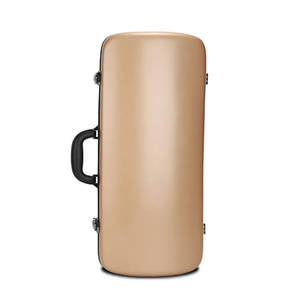
In high-end lutherie logistics, flight transit, and worldwide instrument retailing, protective architecture has evolved far beyond conventional molded ABS plastic or plywood construction. The modern acoustic and classical guitar market demands lightweight structural integrity combined with hermetic climate isolation. As an authoritative manufacturing facility operating within strict European conformity protocols, our factories produce CE Certified fiberglass guitar cases that satisfy structural mechanics, chemical safety, and mechanical endurance thresholds required by enterprise buyers across North America, Europe, and Asia-Pacific.
CE Certification in the context of advanced musical instrument hardware and composite enclosures encompasses multiple rigorous regulatory vectors under European legislation. Specifically, our fiberglass compression molds adhere to Directive 2001/95/EC (General Product Safety Directive - GPSD) and strictly comply with the chemical composition standards defined by REACH (EC No 1907/2006). Every batch of cured resin, gel-coat, volatile adhesive, synthetic velvet lining, and high-density interior EVA sponge is chemically screened to eliminate SVHC (Substances of Very High Concern), including restricted phthalates, polycyclic aromatic hydrocarbons (PAHs), and heavy metals. This industrial compliance guarantees zero toxic off-gassing within sealed compartments, preserving vintage cellulose lacquer and sensitive polyurethane guitar finishes throughout prolonged cargo voyages.
Furthermore, structural performance is verified through empirical testing protocol: drop resistance tests from calibrated heights of 1.8 meters across multiple strike angles (headstock apex, hinge axis, and lower bout perimeter), crush load tolerance exceeding 450 kilograms of uniform deadweight pressure, and continuous latch cycle simulations up to 15,000 openings without tensile mechanical failure. By combining aviation-grade high-tensile fiberglass strand weaves with ultra-resilient epoxy resin matrices, our factory provides a protective exoskeleton that protects valuable vintage, master-luthier, and production stringed instruments from physical damage.
Reinforced composite fiberglass shell manufactured under constant hydraulic vacuum-bagging pressure, eliminating micro-voids and maximizing tensile flexural yield.
Continuous marine-grade extruded rubber perimeter sealing tongue-and-groove valances, achieving certified IP64 splash-proof and dust-proof environmental defense.
Multi-density, contour-molded polyurethane and memory foam cradle engineered to dampen physical shockwaves, isolating vulnerable neck-body junctions.
As institutional guitar brands, private label distributors, and global musical accessory wholesalers assess their multi-year supply chains, purchasing decisions are shifting toward intelligent composite technologies, sustainable raw materials, and verified logistics compliance. Forward-looking procurement directors must understand three prevailing macro developments:
1. Hybridization of Carbon-Fiber Weaves and Bio-Resin Systems: While traditional fiberglass utilizes standard polyester or vinylester resin compounds, market leaders are increasingly adopting hybrid lamination techniques. By incorporating unidirectional carbon strands into critical load-bearing regions—such as the arch-top bridge dome and perimeter edges—cases achieve a 30% reduction in total mass without sacrificing structural deflection resistance. Furthermore, the European Union's Circular Economy Action Plan is accelerating the transition toward plant-derived bio-resins and recyclable basalt-fiber reinforcement, allowing brands to fulfill mandatory Corporate Sustainability Due Diligence Directive (CSDDD) milestones.
2. Telemetric Traceability and Smart Interior Monitoring: Sourcing strategies are prioritizing hardware modularity. Premium instruments during air freight transit require precise ambient stability. The integration of Bluetooth and satellite IoT data-loggers—calibrated directly into custom cavity recesses—allows luxury guitar brands to monitor relative humidity (RH), internal temperature, and shock-gravity (G-force) events in real time throughout overseas supply chains.
3. Supply Chain Rationalization Through Full OEM/ODM Integration: Leading retail entities are migrating away from fragmented middleman brokers in favor of direct alliances with vertically integrated tier-1 factory floors. Direct factory manufacturing eliminates unnecessary markup, enables CAD/CAM prototyping cycles within 14 calendar days, and guarantees strict alignment with ISO 9001:2015 quality control systems from raw resin preparation to final seaworthy palletization.
| Evaluation Parameter | CE Certified Fiberglass Enclosure | Standard Plywood Hard Case | Injection-Molded ABS Plastic |
|---|---|---|---|
| Crush / Impact Resistance | Ultra-High (>450 kg structural threshold) | Moderate (Deforms under 120 kg) | Moderate (Cracks under sharp localized force) |
| Atmospheric Isolation | Hermetic Rubber Gasket / Near-Zero Ingress | Porous / Rapid Moisture Absorption | Variable / Moderate Perimeter Seal |
| Tare Weight Ratio | Lightweight (~3.4 kg to 4.2 kg) | Heavy (~5.5 kg to 6.8 kg) | Average (~4.0 kg to 4.8 kg) |
| Finish Durability | UV-Resistant Polyurethane High-Gloss / Matte Gel-Coat | Thin Tolex Fabric Subject to Peeling | Molded Texture Susceptible to Deep Scuffing |
| Compliance Verification | CE, REACH SVHC Tested, RoHS Compliant | Formaldehyde Risks in Composite Wood Resins | Phthalate Risks in Non-Regulated Formulations |
Building upon a recognized stringed instrument heritage dating back to 1871—a historical legacy rooted in American string craftsmanship and comprehensive fretted instrument design—our industrial manufacturing operations embody an uncompromising dedication to acoustic preservation and structural hardware excellence.
From producing traditional Autoharps®, acoustic and classical guitars, to engineering protective accessories across eight comprehensive product lines, our factories combine historical craftsmanship with modern composite manufacturing. When sourcing from our CE Certified production network, enterprise buyers benefit from:
Initiate direct communication with our commercial engineering team. Receive factory-direct wholesale pricing, CAD technical drawings, custom sample availability, and compliance documentation within 24 business hours.
Send an Inquiry