Featured Export-Grade Instruments & Protective Gear
Engineered for global wholesale markets, music academies, and international retail chains. Every model adheres to multi-point acoustic stress inspections, balanced string action tolerances, and international wood preservation norms.
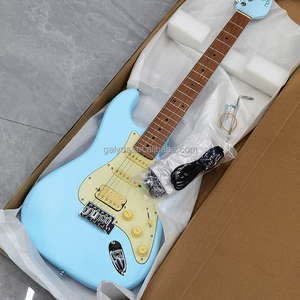
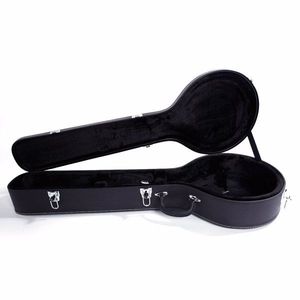
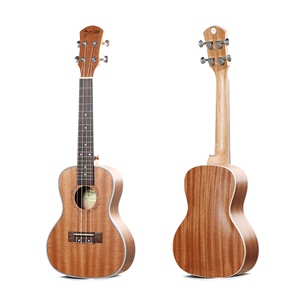
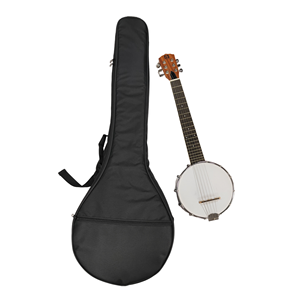

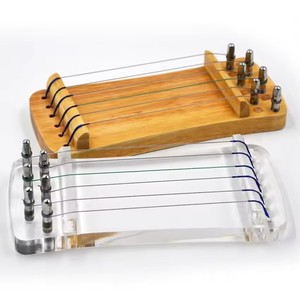
150+
Years of Heritage Pedigree≤ 0.65%
Global Warranty Claim Rate45-55%
Factory RH Equilibrium Control85+
Export Destination TerritoriesThe Mechanics of Modern Banjo Ukulele Manufacturing in China
Banjo ukuleles (commonly termed the banjolele) merge the percussive transient dynamics of a traditional banjo's vibrating membrane with the scale length, nylon string responsiveness, and portable ergonomics of a standard ukulele. Engineering these hybrid instruments requires a mastery of both traditional lutherie and high-tolerance metal spun-casting.
Acoustic Rim Chamber Dynamics
The foundational heart of a concert or tenor banjo ukulele is the multi-ply rim hoop. Our manufacturing plants utilize high-temperature curved pressing for 5-ply to 7-ply select sapelli, mahogany, and Canadian maple rims. This multi-ply lamination guarantees absolute radial symmetry, preventing the circular warping that plagues inferior timber when subjected to high Newton head-tensioning over prolonged oceanic shipping voyages.
Coordinated Truss & Rim Rod Stability
Unlike standard acoustic guitars that rely entirely on internal soundboard bracing, banjoleles depend heavily on an internal coordinator rod or dual-rod assembly. This nickel-plated steel core structurally stabilizes the heel-to-rim junction and empowers guitar technicians to execute micro-adjustments to the neck angle without compromising structural head seating or bridge height geometry.
Precision Drum Head Calibration
We source authentic imported and customized Remo Weatherking banjo heads along with our proprietary composite frosted membranes. Each instrument undergoes torque-calibrated tightening around the tension hoop using 12 to 18 precision bracket shoes. This ensures flat acoustic response curves across 432Hz to 440Hz tuning frequencies while mitigating localized membrane fatigue.
Why Global Brands Partner with Our Manufacturing Ecosystem
Combining more than a century of American fretted string pedigree—dating back to the heritage Oscar Schmidt tradition founded in 1871—with high-throughput modern manufacturing technologies, our export consortium bridges historic craftsmanship with scalable industrial execution.
Climate-Controlled Curing
Our raw tonewoods—including African Sapele, American Walnut, and Flamed Okoume—undergo minimum 18-month seasoning followed by computerized vacuum kiln-drying. We hold timber at RH 48% ± 3%, permanently preventing neck bow, fret sprout, and body cracking across diverse overseas climates.
Automated 5-Axis CNC Precision
Neck profiles, fret slots, and heel joints are carved via micron-tolerance 5-axis German CNC milling machinery. This guarantees precise scale length intonation across soprano, concert, and tenor variants, virtually eliminating human manual profiling variance in mass production runs.
Full OEM/ODM Brand Customization
From custom abalone/mother-of-pearl headstock inlays and laser-engraved tone rings to private-label hardware finishes (antique brass, satin black, polished nickel chrome), we engineer full-turnkey product lines aligned with your brand catalog guidelines.
Integrated Supply Chain Solutions
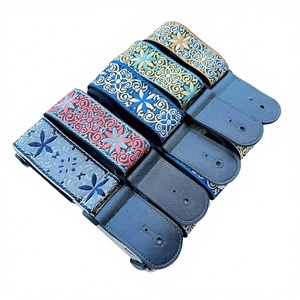
We solve logistics complexity by bundling matched protective hardware directly at source: thermoformed fiberglass hard cases, 10mm high-density padded travel gig bags, embroidered guitar straps, and high-precision replacement bridge hardware under unified bills of lading.
Banjo Ukulele Architectural & Material Specifications
Compare standard OEM configurations across our major export production tiers to align with your market positioning.
| Specification Parameter | Entry Academy Series | Commercial Touring Pro | Master Artisan Resonator |
|---|---|---|---|
| Rim Construction | 5-Ply Sapele Rim, Open-Back | 7-Ply Select Maple, Detachable Resonator | Solid Steam-Bent Walnut / Brass Tone Ring |
| Resonator Plate | N/A (Lightweight Open-Back) | Curved Mahogany with Chrome Flange | Bookmatched Quilted Maple with Sound Ports |
| Membrane Head | 8-Inch Smooth Translucent Mylar | 8.5-Inch Remo Weatherking Frosted Top | 9-Inch Genuine Fiberskyn Vintage Warmth |
| Scale Lengths Available | Soprano (348mm) / Concert (382mm) | Concert (385mm) / Tenor (430mm) | Concert / Tenor / Baritone (510mm) |
| Tension Brackets & Hardware | 12 Flat Hooks, Bright Zinc Plating | 16 Round Brackets, Mirror Chrome Plated | 18 Heavy-Duty Brass Cast Brackets, Satin Gold |
| Fretboard & Fretwork | Engineered Walnut, Nickel Silver Frets | Selected Rosewood / Purpleheart, Hand-Dressed | African Ebony, Precision PLEK Leveled |
| Target Retail Price Tier | $79 – $129 USD | $149 – $249 USD | $299 – $549 USD |
Key Procurement Trends for Folk Instrument Importers
The international retail landscape for hybrid fretted instruments is experiencing structural shifts driven by evolving player demographics, international timber regulations, and e-commerce shipping models.
1. Torrefied & Thermally Modified Timbers
Procurement directors are shifting order volumes toward thermally treated neck woods and tone rims. Torrefaction bakes out moisture, cellulose resins, and volatile organic compounds at 180°C in an oxygen-deprived chamber. The resulting wood displays virtually zero reaction to relative humidity fluctuations, drastic temperature drops in air cargo holds, and seasonal domestic store changes.
2. Acoustic-Electric Transducer Integration
Modern bedroom producers and indie stage performers demand unobtrusive electro-acoustic options. Future-proof product lines incorporate miniature undersaddle piezo pickups or dual-sensor rim transducers with internal endpin preamps. This enables players to plug straight into PA desks or audio interfaces without modifying traditional banjo bridge floating mechanics.
3. Drop-Tested Direct-to-Consumer Packaging
With more than 60% of consumer string instrument sales completed via online platforms, distributors can no longer afford secondary repacking. Our factory lines offer ISTA-certified drop-test packaging: 5-ply custom-molded cellular styrofoam cartons, vacuum air pillows, and double-corrugated outer boxes that guarantee safe parcel carrier transit right off the container.
Product Development Trajectory: The Next-Gen Banjolele
Technological advancements in musical instrument production are eliminating historic compromises in weight, tuning instability, and string intonation.
High-Ratio Planetary Geared Tuners
Traditional friction tuning pegs, while vintage-accurate, cause immense tuning frustration for beginners and students. Modern banjo ukulele lines increasingly standardize on 4:1 ratio planetary gear tuning machines or sealed die-cast 18:1 mini tuners. This provides micro-metric pitch control while maintaining the traditional rear-facing aesthetic profile loved by enthusiasts.
Ultralight Composite Sound Chambers
Traditional banjos are notoriously heavy due to cast metal tone rings. To make the instrument accessible to juvenile musicians and school classrooms, our R&D team has pioneered carbon-fiber-reinforced polymer and polycarbonate acoustic rims. These decrease total weight by nearly 42% while preserving high sound velocity and punchy bluegrass snap.
Zero-Fret Intonation Calibration
Short scale instruments often suffer from string sharpness at the first three frets due to nut slot depth discrepancies. Implementing a zero-fret architecture establishes identical string height and acoustic sustain across both fretted and open notes, providing effortless finger pressure for beginner players.
Frequently Asked Questions for Global Procurement Directors
Actionable, transparent operational answers addressing technical compliance, minimum orders, sea freight stabilization, and custom OEM execution.
What are your Minimum Order Quantities (MOQ) for custom private-label banjoleles?
How do you guarantee timber stability against cracking and fret buzz during container shipping?
Are all woods utilized compliant with CITES and international plant quarantine standards?
Can we order mixed product containers featuring guitars, banjoleles, and protective cases?
What quality inspection protocols occur before final carton sealing?
1. Structural Geometry: Laser alignment of neck plane, bridge alignment, and coordinator rod tension.
2. Acoustic Torque Test: Uniform torque checking across every rim bracket screw using digital torque screwdrivers.
3. Fret Dressing: Edge beveling check to prevent sharp ends, followed by strobe-tuning harmonic intonation checking at the 12th fret.
4. Finish Inspection: 360-degree high-intensity halogen light booth audit for lacquer runouts, orange peel, or binding seams.
What is your typical production lead time from deposit to port delivery?
Build Your Brand's Next High-Margin Folk String Line
Partner directly with China's leading musical instrument engineering consortium. Benefit from century-honed lutherie standards, precision CNC production efficiency, and comprehensive OEM/ODM supply chain reliability.