High-Precision Ukulele String Series for Global Distribution
Engineered via precision automated winding, cryogenic stabilized polymer extrusion, and dynamic tension calibrated core materials to support premier tone consistency across Soprano, Concert, Tenor, and Baritone instruments.
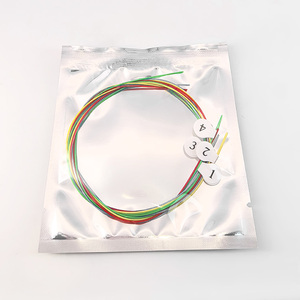
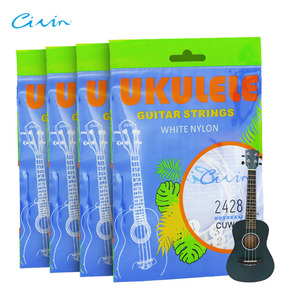
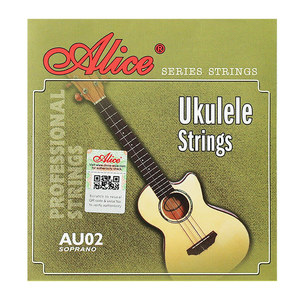
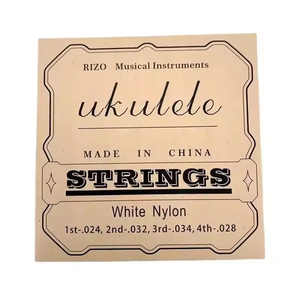
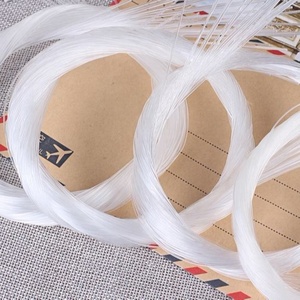
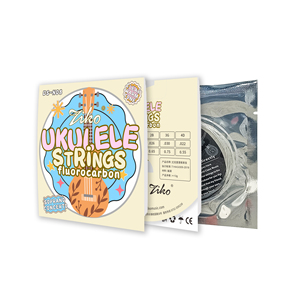
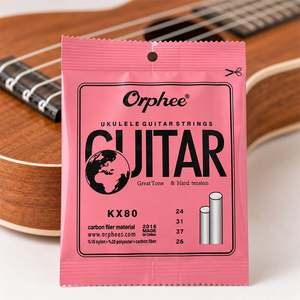
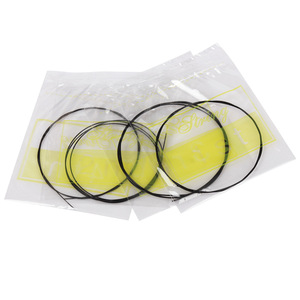
Engineering Acoustic Excellence with Over 150 Years of Fret & String Legacy
Navigating the global musical supply chain requires more than simple trade fulfillment; it demands absolute string manufacturing mastery. Drawing inspiration and engineering lineage from the heritage of historic American fretted instrument craft dating back to 1871—anchoring brands like Oscar Schmidt and Washburn—our Chinese production centers integrate century-old acoustic resonance physics with hyper-modern automated production lines.
Unlike transient trading entities, our partner facilities deploy automated laser micrometer testing, cleanroom chemical monofilament spinning, and dynamic tension balancing. We supply authorized instrument retailers, boutique luthiers, high-output instrument factories, and global accessory brands with bespoke OEM packaging, custom gauge formulations, and verified metallurgical compliance.
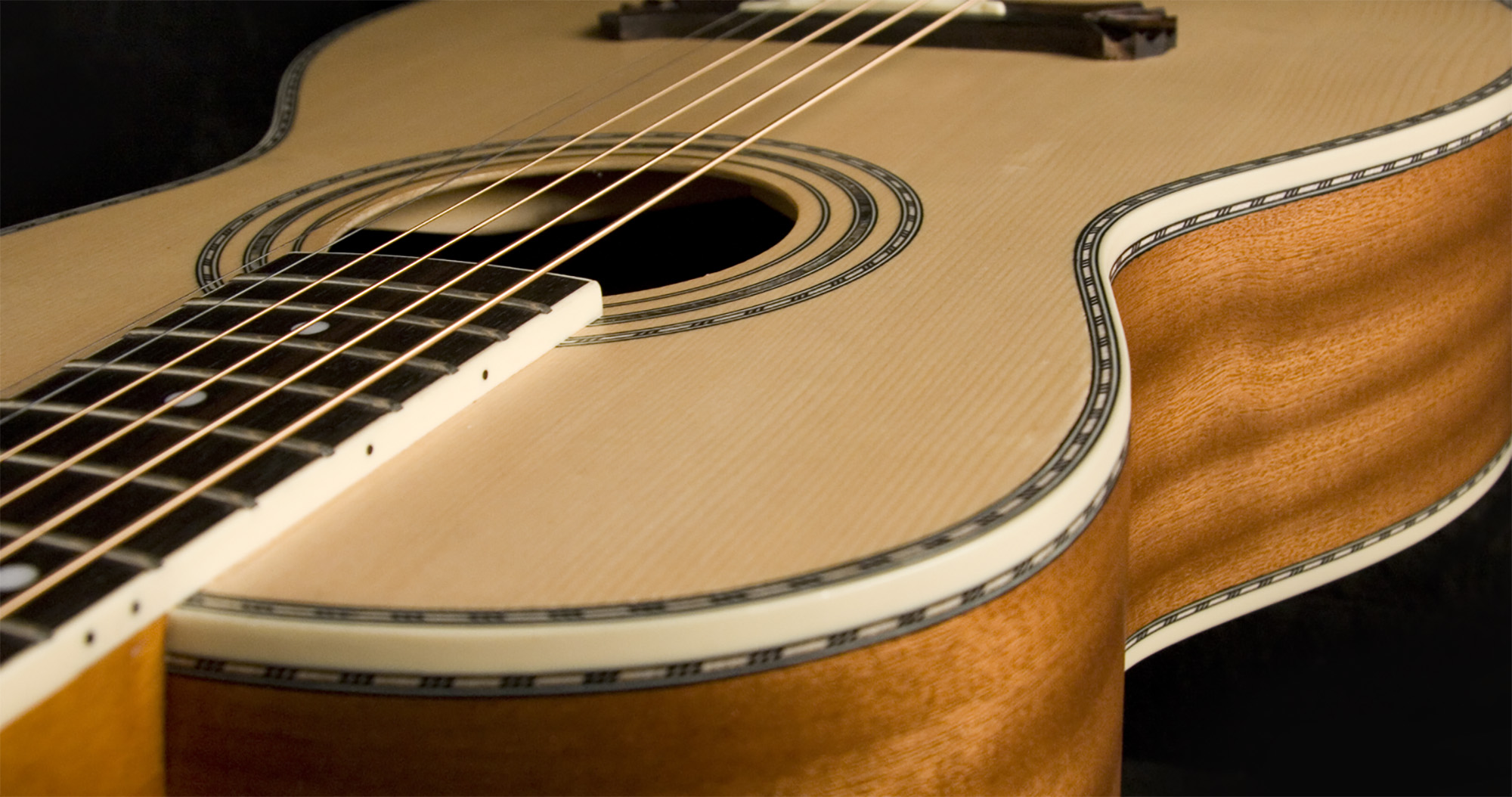
Evolutionary Trends Reshaping Ukulele String Manufacturing
A comprehensive examination of raw material chemistry, acoustic polymer behavior, and sustainable manufacturing breakthroughs transforming modern lutherie.
High-Density Fluorocarbon Proliferation
Traditional clear and white extruded nylons are undergoing systematic replacement by polyvinylidene fluoride (PVDF) fluorocarbon. Due to its superior mass-to-diameter ratio, carbon strings allow for thinner string gauges that exert higher downward pressure on the bridge saddle without raising action, yielding punchier acoustic velocity, sustained bell-like harmonics, and pitch resistance against stage heat and sweat.
Synthetic Gut (Titanium / Nylgut) Hybridization
Luthiers and traditionalists increasingly seek the warm, expressive acoustic timbre of unvarnished historical animal intestine strings without their chronic vulnerability to humidity swings. Top Chinese factories utilize proprietary polymer co-extrusions incorporating microscopic synthetic powders to recreate the viscoelastic response of genuine sheep gut, offering velvety mid-range focus with modern pitch resilience.
Micro-Coated Nanotechnology for Wound Strings
Low-G configurations and Tenor/Baritone wound strings (historically employing silver-plated copper wrapped over nylon multi-filaments) are susceptible to rapid oxidation, fret fretwear, and finger squeak. Advanced vapor deposition micro-coatings measuring less than 1 micron are now applied directly over outer wraps, extending oxidation life by over 300% without dampening crucial harmonic overtones.
Ultrasonic Tension Matching & Ball-End Integration
The rise of solid-body electric and electro-acoustic cutaway ukuleles has generated immense consumer demand for tie-free installation. Modern Chinese manufacturing lines increasingly deploy automated ball-end anchoring directly on mono-filaments, eliminating bridge slippage during primary tuning cycles and significantly simplifying re-stringing for entry-level hobbyists and mass-market users.
Zero-Plastic Eco-Conscious Hermetic Packaging
In adherence to strict Western environmental packaging directives (such as the EU Packaging and Packaging Waste Directive), Tier-1 suppliers are actively retiring individual non-recyclable multi-foil poly pouches. In their place, multi-layer natural kraft packaging lined with water-based vapor phase corrosion inhibitors (VCI) protects metal wound components while reducing virgin plastic consumption by 85%.
Optimizing Your Ukulele String Sourcing Strategy in China
Actionable procurement methodologies for musical instrument purchasing directors, category managers, and supply chain executives seeking maximum margin retention and regulatory risk mitigation.
Shift to Automated Precision Extrusion Auditing
When selecting a Chinese factory partner, bypass simple repackaging workshops and audit the plant's core continuous extrusion capabilities. Strings cut from non-uniform raw extrusion spools introduce uneven mass distributions across the vibrating length, inducing unavoidable fret intonation failure on frets 5 through 12. Demand continuous laser micrometric run-charts certifying string diameter tolerances within ±0.005mm across all batch runs.
Consolidation of Multi-Fretted Instrument Bundling
Leading music distributors minimize logistical freight vulnerabilities by sourcing complementary fretted accessories under unified manufacturing contracts. Leveraging suppliers whose engineering capability spans acoustic guitars, ukuleles, mandolins, and folk zithers (such as traditional Autoharps®) allows enterprise buyers to hit lower container freight minimums while maintaining identical packaging aesthetic standards, barcode serialization, and quality benchmarks across an entire retail wall.
Bespoke Tension Customization for OEM Instrument Factories
Factory-mounted strings represent a customer's absolute first touchpoint with an instrument brand. High-volume ukulele manufacturers sourcing from China are abandoning generic off-the-shelf string gauges in favor of factory-tailored tension profiles. By formulating gauges that harmonize specifically with a soundboard's bracing stiffness (e.g., solid spruce vs. laminate mahogany), brands prevent premature bridge lift while maximizing out-of-the-box acoustic resonance.
Frequently Asked Questions
Everything procurement officers and instrument manufacturers need to know about engineering specifications, testing thresholds, lead times, and custom OEM manufacturing.
Get CatalogWhat is the core difference between Nylon and Fluorocarbon ukulele strings?
How do China's premier ukulele string factories guarantee batch intonation consistency?
What are the typical Minimum Order Quantities (MOQs) for OEM custom branding?
How are wound strings (such as Low-G and Baritone D/G strings) manufactured?
What material compliance certificates are required for international import?
Partner with China's Premier String Engineering Powerhouse
Whether you require precision OEM custom-branded retail sets, eco-conscious kraft envelope solutions, or stable bulk supply for an automated ukulele assembly plant, our engineering team is ready to support your supply chain requirements.
Get Catalog