Precision Instrument Cases & Factory Direct Collections
Source high-resilience flight bags, custom hardware, fretted instruments, and molded cases engineered to international acoustic safety standards.
Strategic Overview: Engineering Resilient Electric & Acoustic Bass Gig Bags
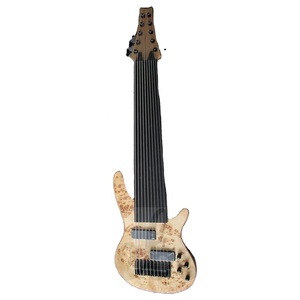
In global musical instrument supply operations, sourcing protective gear from verified China wholesale bass gig bags factories requires an analytical evaluation beyond superficial aesthetics. Electric and acoustic basses demand unique protective engineering compared to standard six-string guitars due to their longer scale lengths (typically 34-inch to 37-inch multi-scale configurations), heavier headstocks, and significantly higher center of mass. An inferior gig bag compromises the instrument at its most critical vulnerability points: the peghead transition, the bridge assembly, and the lower strap-button anchor.
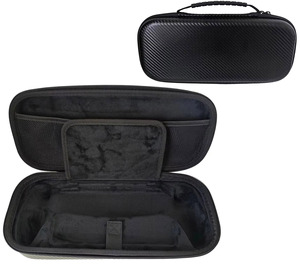
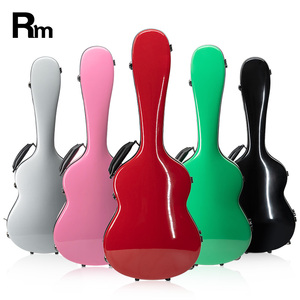
Modern international distributors and private-label brands now prioritize hybrid gig bag architecture. This blends the structural rigidity of a traditional molded hardshell flight case with the low-mass convenience and ergonomic transport capabilities of soft gig bags. Leading Chinese manufacturing clusters, particularly throughout Guangdong, Shandong, and Zhejiang provinces, have completely transformed manufacturing workflows. Moving far beyond cut-and-sew operations, top-tier plants integrate computerized CNC fabric cutting, ultrasonic bonding, high-tensile bar-tack stitching, and modular structural interior ribbing designed to insulate solid wood, nitrocellulose, and polyurethane finishes from blunt physical impact and acute thermal shocks.
Recommended Structural Specifications for OEM/ODM Bass Gig Bags
When engineering product catalogs for retail chains, professional touring bassists, and institutional music academies, procurement managers should specify tiered configurations that clearly align with targeted pricing strata and protection thresholds:
The Pro-Touring Hybrid Armor Bag
Engineered for high-end instruments, featuring 35mm multi-layer laminates (combining hard PE sheets with high-density EPE and memory foam), waterproof rubberized base guards, water-resistant taped YKK #10 zippers, and an adjustable neck-locking block system that prevents headstock whiplash during accidental falls.
Mid-Tier Studio & Commuter Gig Bags
Designed for daily rehearsals and urban commuting. Incorporates 20mm high-elasticity sponge padding, 900D waterproof cationic polyester exteriors, dual breathable mesh padded back-straps with chest stabilization latches, and expandable exterior cable/pedal organizers.
Ultralight Economy Institutional Bags
Optimized for bundle packages with entry-level bass kits and conservatory bulk distribution. Built using 600D rip-stop oxford cloth, 10mm to 15mm soft pearl cotton lining, reinforced nylon side handles, and dual-direction rustproof metal sliders balancing price competitiveness with dependable scratch defense.
Future Procurement Dynamics & Global Industry Trends
The global musical merchandise sector is undergoing significant structural shifts driven by evolving eco-regulations, consumer mobility, and direct-to-consumer e-commerce logistics. Buyers negotiating long-term contracts with Chinese gig bag manufacturers must anticipate three dominant macroeconomic vectors:
Circular Textiles & GRS Certifications
European and North American regulatory frameworks increasingly mandate demonstrable sustainability in consumer goods. Chinese manufacturers are rapidly adopting Global Recycled Standard (GRS) fabrics woven from recycled PET bottles (rPET), paired with non-toxic, solvent-free TPU coatings that replace hazardous traditional PVC backing layers.
Dimensional Freight Weight Optimization
With ocean and air freight rates vulnerable to volume surcharges, forward-thinking factory teams have engineered vacuum-pack compression protocols and modular folding designs. This technical packaging innovation shrinks overall dimensional carton weight by up to 45%, significantly lowering per-unit transoceanic shipping landed costs.
Integrated Ergonomics & Smart Features
Modern bassists carry complex digital signal processors, direct boxes, tablets, and cables. Newer gig bag designs integrate TSA-compliant locking zips, discreet compartments for GPS tracking tags (such as Apple AirTags), internal cable channels, and orthopedic lumbar support systems that disperse instrument mass comfortably across the shoulders.
Enterprise Manufacturing Capabilities & Heritage Heritage
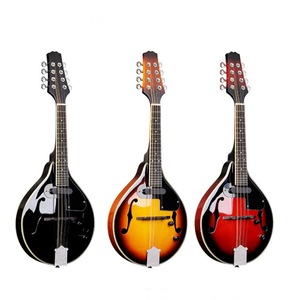
Drawing on an established musical tradition dating back to 1871, our manufacturing infrastructure balances legacy fretted instrument craftsmanship with modern industrial textile manufacturing. As part of a diversified musical ecosystem encompassing acoustic guitars, autoharps, mandolins, banjos, and heavy-duty flight cases, we understand the exact tolerances, balance nodes, and structural requirements of precision musical instruments.
Procurement & Manufacturing FAQ
Key technical answers to address critical supplier vetting inquiries from procurement directors and brand managers:
What are the key material differences between 600D, 900D, and 1680D Oxford exterior fabrics? +
How do OEM bass gig bag factories prevent internal hardware puncturing?
Electric bass bridge saddles, cut string ends at tuning pegs, and bottom endpins produce localized abrasive friction that shreds standard soft velvet interiors. Professional OEM factories implement 420D or 600D high-density reinforced nylon patches inside the interior lid at the headstock and bridge contact points. Furthermore, molded EVA bottom blocks with dedicated endpin cutouts absorb downward shocks when the bag is dropped upright onto concrete stages.
What is the standard Minimum Order Quantity (MOQ) and production lead time? +
Can your production facility customize internal dimensions for non-standard bass scales? +
What international environmental and safety certifications apply to exported bags? +
Initiate Your Custom Bass Gig Bag Production Run
Speak directly with our senior musical instrument case engineering team. Receive comprehensive CAD layouts, technical fabric swatches, and tiered FOB factory quotations within 24 business hours.
Send an Inquiry