Engineered Stringed Instruments & Protective Flight Cases
Explore our export-ready production runs engineered for OEM/ODM scalability. Every unit reflects our strict multi-point acoustic QA protocol, climate-stabilized tonewood storage, and precision fitment standards.
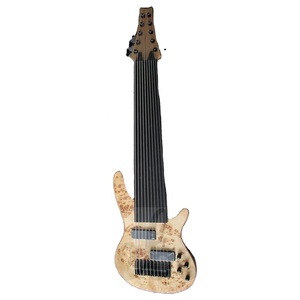
Weifang Rebon High Quality Fretless 10 String Burl Maple Electric Bass Guitar
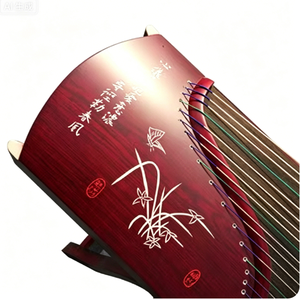
Portable Wooden Guzheng Zither for Beginner Practice and Examination Customized Color & Size
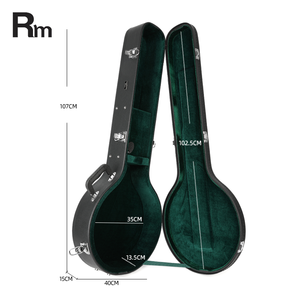
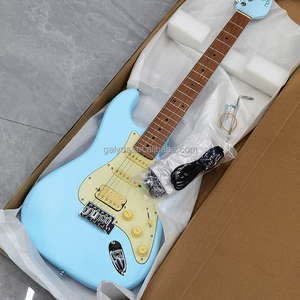
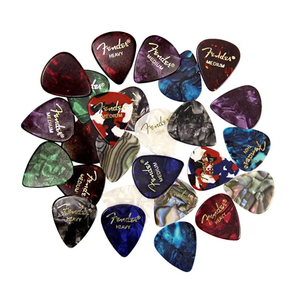
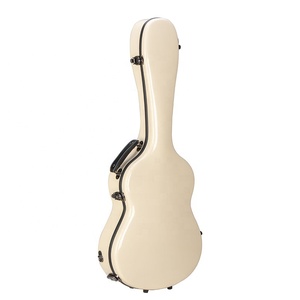
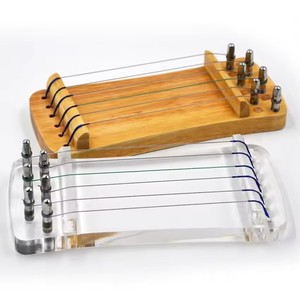
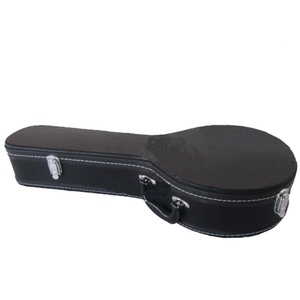
Mandolin Case a Style Mandolin Special Case Musical Instrument Case OEM Fitment Standard
Acoustic Architecture & Industrial Manufacturing of F-Style Mandolins
The Florentine (F-Style) mandolin represents one of the most mechanically demanding acoustic instruments in production lutherie. Discover the structural specifications, carving protocols, and material grading criteria essential for procurement directors and brand owners.
The Florentine Scroll: CNC vs. Hand-Carved Lamination
The iconic aesthetic of an F-style mandolin is centered on the bass-side scroll and treble points. Unlike decorative pressed plywoods found in budget runs, true OEM instruments demand solid bookmatched Adirondack or Sitka spruce carved along the anatomical grain. Our factory integrates synchronized 5-axis rough carving with manual master-chisel graduation, maintaining interior hollow chambers that project the high-mid resonance necessary for cutting through bluegrass ensemble mixes.
Acoustic Voicing: Tone-Bar Bracing vs. X-Bracing
Selecting the bracing architecture dictates brand positioning. Parallel tone-bar bracing produces the dry, woody, and percussive "chop" demanded by traditional roots, country, and bluegrass virtuosos. Conversely, radial X-bracing generates extended harmonic sustain and broader frequency responsiveness, aligning with modern Celtic and contemporary acoustic players. We calibrate bridge-foot contact points to transfer string tension dynamically across the soundboard without top deformation.
Compound Radius & Neck Angle Joinery
String tension across eight paired courses exerts downforces exceeding 45 pounds at the bridge saddle. We engineer our F-style mandolins using compound radius ebony fingerboards (typically 7.25" transitioning to 12") combined with deep dovetail neck joints glued with hot hide glue or high-tensile aliphatics. This joint stability preserves intonation up to the 22nd fret and mitigates long-term neck angle creep during cross-climate container shipments.
B2B Technical Specifications: F-Style Mandolin Production Grades
Compare manufacturing methodologies across standard dealer, premium performance, and master-grade custom OEM builds.
| Specification Feature | Tier 1: Commercial / Intermediate | Tier 2: Professional Stage Series | Tier 3: Master Luthier Flagship |
|---|---|---|---|
| Soundboard (Top) | Solid Carved Sitka Spruce (AA Grade) | Select Engelmann Spruce (AAA Grade) | Hand-Graduated Master Red Spruce (Adirondack) |
| Back, Sides & Neck | Bookmatched Flamed Maple (Moderate Figure) | Select Curly Maple (Tiger Flame 3A) | Eastern European Fiddleback Maple (5A Grade) |
| Internal Bracing System | CNC Parallel Tone Bars (Machine Calibrated) | Tuned Parallel Tone Bars (Hand Chiseled) | Acoustically Tap-Tuned Master Tone Bars / Custom X |
| Fingerboard & Bridge | Engineered Dense Rosewood / Bound | African Ebony with MOP Position Dots | Gabon Ebony, Compound Radius, Radiused Saddle |
| Finish & Polishing | High-Gloss Polyurethane (0.12mm Ultra-Thin) | Ultra-Thin Gloss Nitrocellulose Lacquer | Traditional Spirit Varnish / Hand-Rubbed Sunburst |
| Tuning Peg Ratio & Hardware | 14:1 Sealed Die-Cast Chrome/Nickel | 18:1 Precision Open Gear, Pearloid Buttons | Gotoh / Schaller Premium Engraved Elite Series |
| Truss Rod Mechanism | Single-Action Steel Alloy | Dual-Action Micro-Adjustable Hex Rod | Dual-Action Micro Truss Rod with Carbon Fiber Spars |
Emerging Sourcing Trend: Climate-Adaptive Tonewood Drying
Global logistics bottlenecks have elevated post-purchase warranty concerns regarding seam separation and neck twists. Forward-thinking musical instrument brands are shifting orders toward factories with multi-stage computerized dehumidification kilns. Modern OEM mandolin suppliers now implement 18-month secondary resting protocols to guarantee timber equilibrium moisture content (EMC) between 8% and 10% prior to carving.
Compliance & Sustainability: Lacey Act & CITES II
Stringent audits at European and North American ports require transparent tracking of Dalbergia and protected ebony subspecies. Leading custom OEM factories are adopting certified synthetic or thermally treated alternativas like Torrefied Maple and Richlite, alongside complete FSC documentation trails, ensuring import customs clearance without costly inventory impoundments.
The Rise of Electro-Acoustic F-Style Formats
With mandolins expanding from traditional acoustic circles into arena rock, jazz fusion, and modern indie bands, commercial demand for hybrid pickups has surged by 42% over the last three fiscal quarters. Sourcing channels prioritize models integrated with invisible internal piezo elements, undersaddle transducer bridges, and balanced mini-endpin jacks that leave the instrument's vintage acoustic projection uncompromised.
Manufacturing Excellence: The Oscar Schmidt Industrial Pedigree
With an engineering heritage established in 1871 in Jersey City, our supply chain lineage has anchored stringed instrument craftsmanship for over 150 years. Operating within the global manufacturing matrix that serves world-class distribution channels, we integrate American luthier traditions with scalable lean assembly lines. From the tight mechanical tolerances of historic Autoharps® to intricate Florentine mandolin scrolls and concert-grade fretted instruments, we deliver end-to-end tooling, OEM logo engraving, custom neck profiling, and climate-controlled flight case packaging directly to international retailers and independent brand owners.
Frequently Asked Procurement Questions (FAQ)
Direct answers for procurement officers, product managers, and music distributor purchasing teams.
What are the minimum order quantities (MOQ) for custom OEM F-style mandolins?
How does your factory prevent top sinking and soundboard deformation under string tension?
Can your facility supply left-handed F-style mandolin configurations?
What finish technologies are offered for export-grade instruments?
How are instruments packaged to prevent humidity shocks and shipping damage?
Expand Your Fretted Instrument Line With a Verified OEM Partner
Request our comprehensive wholesale B2B pricing sheet, complete wood options catalog, and private-label design manual today. Connect with our acoustic engineering department directly via live consultation.
Get Catalog