Featured Specialized Stringed Instruments & Gear
Explore our diverse engineering catalog spanning boutique acoustic-electric hybrids, folk heritage instruments, precision orchestral accessories, and premium tour-grade cases.
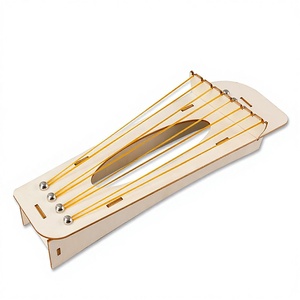
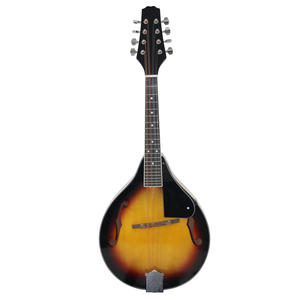
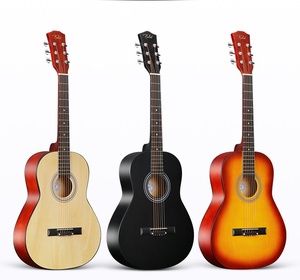
Custom OEM Semi-Hollow Guitar Manufacturing Framework
In the global fretted instrument landscape, the semi-hollow electric guitar represents one of the most mechanically and acoustically intricate architectures in high-volume production. Unlike solid-body instruments that rely primarily on magnetic transduction and wood density for sustain, a true semi-hollow guitar demands an exacting synthesis of acoustic resonance, air cavity volume calculation, torsional neck stability, and high-gain electromagnetic feedback rejection. For private label brands, multinational instrument distributors, and boutique imprints seeking an authentic competitive edge, procuring custom OEM semi-hollow instruments requires partnering with a manufacturer capable of navigating both heritage craftsmanship traditions and micron-level automated industrial processing.
At the heart of the modern semi-hollow platform lies the central sustain block design. Traditionally cut from solid North American hard maple (Acer saccharum) or lightweight silver leaf maple, the internal center block serves three simultaneous mechanical functions: anchor point for the bridge studs and stopbar tailpiece bushings, physical barrier dampening soundboard sympathetic vibration to control microphonic howl at gigging stage volumes, and foundational pathway for low-frequency acoustic energy transference directly into the guitar’s back laminate. Our OEM production lines utilize multi-axis CNC routing protocols coupled with parametric thermal scanning to carve contour-matched center blocks that perfectly interface with the pressed arched tops and backs without micro-gaps or adhesive pooling.
Lamination & Arched Top Pressing
We employ multi-ply cross-grain laminated construction (Maple/Birch/Maple or Flamed Maple veneers) pressed in hydraulic heated molds under 120 metric tons of controlled pressure. This guarantees permanent structural curvature, resistance to seasonal hygroscopic expansion, and maximum acoustic velocity across climatic zones.
Acoustic Soundhole & F-Hole Profiling
Laser-guided precision cutters mill classic f-holes, cat-eye apertures, or customized proprietary OEM apertures. Each opening is hand-bound with multi-ply ABS, celluloid, or natural scraped wood binding, ensuring structural integrity along vulnerable long-grain edge surfaces while optimizing chamber Helmholtz resonance.
Internal Bracing & Kerfing Mastery
From spruce tone bars to solid mahogany rim linings (kerfing), interior components are seasoned in computer-monitored dehumidification chambers down to 8.5% ± 1% equilibrium moisture content. This eliminates interior glue-line failure, seam separation, and warping during international maritime freight transit.
Future Procurement Trends in Custom OEM Semi-Hollow Guitars
Strategic procurement forecasting for commercial distributors, B2B instrument brands, and retail chain buyers navigating the 2025–2030 market cycle.
CITES Compliance & Alternative Tonewoods
International regulatory vigilance under CITES Appendix II has transformed tonewood supply chains. Commercial brands are shifting from endangered rosewoods (Dalbergia) toward stabilized roasted jatoba, thermally modified Indian laurel, ebony-engineered composite fingerboards, and fast-growing okoume or paulownia chambered bodies. OEM suppliers with chain-of-custody documentation provide complete frictionless customs clearing for North American and European border authorities.
Hybrid Acoustic-Electric Preamp Integration
Modern working musicians increasingly demand multi-voiced performance versatility. The procurement frontier highlights semi-hollow instruments wired with dual-signal pathways: vintage-voiced magnetic humbuckers or P90s coupled with under-saddle piezo saddles or soundboard acoustic transducers. Advanced OEM contracts demand specialized shielding, discrete internal potting compartments, and stereo output switching configurations straight from the assembly bench.
Automation in Finishing & Plek Fret Dressing
Hand-fret leveling on mass-produced semi-hollow guitars is rapidly being replaced by computerized Plek setup protocols and robotic robotic UV-cured thin-polyurethane finishes. Modern B2B buyers mandate sub-millimeter action setups out-of-the-box (low E action under 1.6mm at 12th fret), radically cutting dealer prep labor and return rates while guaranteeing consumer satisfaction upon point-of-sale unboxing.
Technological Evolution of the Semi-Hollow Guitar Industry
From 1958 vintage beginnings to modern robotic manufacturing: How algorithmic engineering is reshaping semi-hollow tone dynamics.
Acoustic Chamber Volumetric Modeling
Traditional trial-and-error chamber shaping has given way to finite element acoustics modeling (FEA). By calculating internal sound pressure distributions and vibrational antinodes across maple-ply top plates, our engineers manipulate chamber geometry to tune natural body resonance directly to musical fundamental pitches, eliminating dead spots along the fingerboard.
Low-VOC & Ultra-Thin Nitrocellulose Alternatives
Global environmental protocols such as REACH and RoHS have driven intense development in waterborne UV finishes and thin catalyzed urethane coatings. These contemporary thin-coatings emulate the microscopic pore-breathing attributes and open acoustic timbre of vintage nitrocellulose lacquer without yellowing, crazing, or emitting volatile chemical toxins during manufacturing.
Ergonomic Weight-Relief Form Factors
While original 16-inch lower bout semi-hollows weighed in excess of 8.5 lbs, modern ergonomic development focuses on scaled 14.5-inch compact body blocks and hollowed central mahogany cores with strategic weight-relief pockets. This gives younger players and touring pros a lightweight, balanced stage instrument with zero loss in sustain or low-mid harmonic authority.
Why Global Music Brands Trust Our OEM / ODM Production
Inheriting the esteemed pedigree of stringed instrument manufacturing originating in 1871, our manufacturing ecosystem blends historic American acoustic design mastery with world-class, ISO-certified automated production facilities. As an established supplier managing complex fretted categories—from iconic Autoharps® and multi-course mandolins to high-precision semi-hollow and hollow electric guitars—we provide commercial partners with distinct operational competitive advantages:
150+ Years of Acoustic & Fretted Heritage
Our heritage lineage since 1871 provides deeper insight into harmonic resonance, neck-joint integrity, and long-term timber settling than conventional contract fabricators. We understand how wood behaves over decades in various retail climates.
Full Customization (OEM / ODM Agility)
From proprietary headstock contours, customized inlays, compound radius fingerboards (9.5" to 14"), to specialized wound Alnico II/V pickups and push-pull coil tap wiring looms, we tailor every instrument parameter to your exact brand specifications.
True Left-Handed Production Capability
Unlike many OEM factories that penalize mirrored builds with excessive setup fees, our tooling infrastructure supports dedicated left-handed semi-hollow production runs with mirrored bracing, pots, and control carving without disrupting batch schedules.
Frequently Asked Questions for OEM Buyers & Importers
Essential commercial parameters, QA standards, and manufacturing lead times for guitar procurement teams.
What is the standard Minimum Order Quantity (MOQ) for custom OEM semi-hollow guitar production?
How do you manage feedback control in high-gain semi-hollow guitar builds?
What quality assurance (QA) and humidity tolerances are implemented before overseas export?
Can your facility manufacture dedicated left-handed semi-hollow models?
What are the lead times for prototyping versus full container load (FCL) volume production?
Build Your Private Label Guitar Line With Us
Connect directly with our senior luthiers, mechanical engineers, and international OEM supply team to obtain sample estimates, technical CAD drawings, and scalable tiered volume pricing.
Get a Quote