Engineered Fretted Components & Instrument Ecosystems
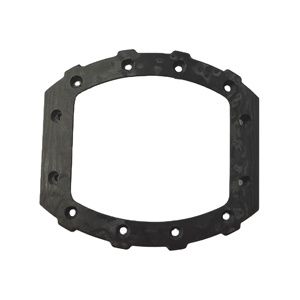
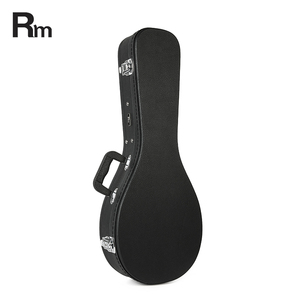
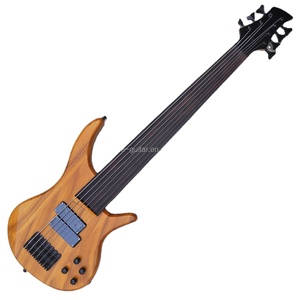
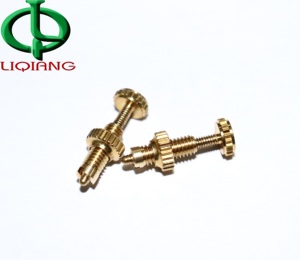
From micro-machined carbon fiber and precision brass acoustic hardware to boutique-grade multi-string necks and handcrafted protection cases, explore our export-ready OEM/ODM manufacturing range.
The Engineering Backbone of Modern Fretted Musical Instruments
As a specialized OEM/ODM guitar necks exporter, our manufacturing lineage bridges historic 19th-century American luthiery values—originating from the Oscar Schmidt instrument craft established in 1871—with aerospace-grade multi-axis computerized machining. The neck represents over 70% of an instrument’s tactical tactile feel, intonation stability, and acoustic transmission velocity. Delivering wholesale batches to global guitar brands, boutique luthier networks, and volume importers requires ruthless material consistency, hyper-precise fretwork, and complete climatic resilience.
Quarter-Sawn Tonewood Selection
We source certified Hard Rock Canadian Maple, African Mahogany, Roasted Flame Maple, and kiln-stabilized Rosewood. Every billet is inspected for grain verticality and rings-per-inch density to eliminate post-production neck warping and lateral torsional twist.
Deflection Resistant StabilityThermally Modified Torrefaction
Utilizing controlled nitrogen-shielded vacuum roasting kilns, tonewood blanks undergo cellular crystallization at 180°C–210°C. This caramelizes hemicellulose, permanently lowering hygroscopic absorption capacity and rendering the guitar neck immune to atmospheric moisture shifts.
Equilibrium Moisture < 5.5%5-Axis CNC Precision Carving
Heel contours, pocket tenons, headstock angles, and complex profiles (Modern C, Asymmetrical Thin U, Compound Radius 10"–16") are cut under 0.02mm automated indexing. Consistency between prototypes and master export runs reaches 99.8% identical ergonomics.
Bespoke Luthier ErgonomicsPLEK-Standard Automated Fret Dressing
Featuring precision undercut fret tangs, mirror-beveled 45°/semi-hemispherical ball ends, and automated fret press seating. Nickel-silver (18% hardness) and Jescar-spec stainless steel frets are leveled to zero-buzz acoustic tolerance under simulated tension.
Zero Fret-Sprout GuaranteeOEM/ODM Technical Specifications & Architectural Capacities
Our production lines support white-label OEM, customized ODM blueprint reproduction, and modular bolt-on or set-neck configurations engineered to international luthier standards.
| Structural Parameter | Standard OEM Specifications | Custom ODM Premium Options | Quality Verification Threshold |
|---|---|---|---|
| Tonewood Species | Canadian Hard Maple (Acer saccharum), Mahogany, Nyatoh | Roasted 4A/5A Flame Maple, Wenge, Ovangkol, Padauk, Purpleheart | FSC & CITES Non-Endangered Verification |
| Fingerboard Radii | Vintage 7.25", Classic 9.5", Modern 12", Acoustic 16" | True Conical Compound Radius (9.5" to 14", 10" to 16", 12" to 16") | Digital Radius Gauge Profile Analysis (±0.01mm) |
| Truss Rod System | Dual-Action Steel Truss Rod (Headstock or Heel Hex Adjust) | Dual-Action Spoke-Wheel Heel Nut + Dual Carbon Fiber Stiffening Rods | Torque Cycle Fatigue Testing (10,000 Reversals) |
| Fret Material & Crown | 2.7mm Medium Jumbo / 2.9mm Extra Jumbo (18% Nickel Silver) | Cryogenically Treated Stainless Steel / Bell Bronze / EVO Gold Fretwire | Rockwell Hardness HRC 28-32 (SS HRC ≥ 45) |
| Nut Slotting & Width | Pre-slotted Bone Nut (42mm / 43mm / 48mm for 7-string) | Graph Tech TUSQ XL, Brass, Titanium, Zero-Fret Locking Nut Shelf | Optical Comparator Height & String Spacing Check |
| Neck Tenon & Heel Joint | Strat/Tele Standard 56mm (2-3/16") Curved or Squared Heel | All-Access Contoured Heel, Deep Set-Neck Tenon, AANJ 24-Fret Pocket | CMM Coordinate Measurement Heel Pocket Gap < 0.05mm |
| Finish Coating | Ultra-thin Matte Satin Polyurethane / Gloss UV Cured Lacquer | Aged Nitrocellulose Vintage Tint, Hand-rubbed Gunstock Oil & Wax | Cross-Hatch Adhesion ISO Class 0 / Elcometer Mil-Spec |
Future Procurement Trends in the Global Guitar Necks Export Market
Strategic supply chain analysis for musical instrument brand managers, wholesale distributors, and factory procurement directors facing dynamic trade, raw material, and design shifts through 2026–2030.
1. Dominance of Roasted Tonewoods
Torrefied (baked) woods have transitioned from boutique custom shops into mass-tier OEM demands. Procurement teams prioritize roasted maple and mahogany necks due to drastic reductions in post-sale warranty claims related to fingerboard shrink, fret tang protrusion, and neck bow induced by intercontinental sea cargo humidity swings.
Lower RMA & Warranty Costs2. Hybrid Carbon Fiber Reinforcement
Modern players require low-action performance across extended scales (7-string, 8-string, multi-scale fanned frets). Guitar neck exporters are standardizing internal dual carbon fiber structural beams flanking the steel truss rod. This hybrid skeleton delivers exceptional rigidity while preserving the acoustic warmth and organic resonance of organic tonewood.
Ultra-Flat Extended Neck Stability3. Regulatory ESG & Alternative Species
CITES restrictions on Rosewood (Dalbergia) and ebony export paperwork backlogs have driven aggressive procurement diversification. Volume buyers are transitioning to thermally treated Laurel, Black Richlite, Pau Ferro, and FSC-certified engineered composites that match rosewood hardness without crossing customs delays or border declaration hurdles.
Fast Customs Cleared Shipments4. Multi-Scale & Ergonomic Profiles
Ergonomic fret designs, such as fanned frets ranging from 25.5" on the treble to 27" on the bass side, are moving rapidly into mainstream commercial lines. Modern OEM exporters must maintain 3D multi-axis CAD toolpaths capable of slotting compound fretwire slots across varying bridge angles without manual hand-filing delays.
Progressive Multi-Scale Readiness5. Semi-Hemispherical Fret Dressing
Where frets once received basic clipped edges, international distributor standards now require recessed tang slots combined with semi-hemispherical ball-end fret finishing. By leaving the edge of the fingerboard wood intact and sealing the fret tang inside the slot, the player experiences silky transitions with no sharp fret spurs under winter air conditions.
Zero-Sprout Blind Slotting6. Direct-to-Assembly Drop-In Accuracy
High-volume guitar assembly factories no longer tolerate manual neck-joint scraping or shimming. The latest export trend focuses on "Drop-In Ready" necks with pre-drilled machine head pilot holes, laser-cut truss rod covers, micro-slotted bone nuts, and finished tenon surfaces verified by automated optical gauges.
Direct Production Line FeedingRigorous 4-Stage OEM/ODM Quality Control Architecture
From green timber harvesting to the departure of export container freight, our facilities enforce strict inspection milestones to ensure unmatched mechanical and acoustic consistency.
Timber Sourcing & Kiln Stabilization
All incoming lumber billets undergo electrical resistance moisture testing. Wood is acclimatized in computer-monitored dehumidification chambers for 45 to 60 days until the internal core moisture rests precisely between 6% and 8%, preventing future shrinkage or twist.
Robotic CNC Milling & Rod Installation
5-axis CNC machines carve the neck profile, peghead pitch, truss rod cavity, and fingerboard radius in unified machining passes. Dual-action carbon/steel rods are seated under specific tension with silicone damping collars to eliminate internal rattles.
Hydraulic Fret Press & Laser Leveling
Frets are mechanically pressed using matched radiused brass cauls, epoxy-anchored, and verified by laser line scanners. Ends are rounded to custom bevel angles (35°, 45°, or full ball-end) followed by multi-stage buffing to achieve mirror-bright 1000-grit sheen.
Climate-Controlled Export Packaging
Every guitar neck is sealed in moisture-barrier anti-static poly sleeves with food-grade desiccant packs, nestled inside multi-layered shock-absorbing carton nests. Master export boxes withstand rigorous 1.2-meter drop testing and marine container condensation cycling.
Frequently Asked Questions for B2B Guitar Neck Buyers
Clear answers regarding production lead times, MOQ requirements, custom tooling, species certifications, and international shipping protocols.
What is your Minimum Order Quantity (MOQ) for custom OEM guitar necks?
Our standard production MOQ for custom OEM configurations (custom profile carving, fret sizing, and bespoke headstock shapes) starts at 100 pieces per specification. For standardized replacement neck runs (such as ST/TE 56mm heel dimensions with standard C profiles), we can support test orders starting at 50 pieces. Volume container pricing discounts are automatically applied at 500, 1,000, and 5,000 unit tiers.
Can you manufacture necks according to our proprietary CAD/CAM files or physical samples?
Yes. Over 80% of our production consists of proprietary ODM projects. You can supply 3D STEP, IGES, or SolidWorks files, or send a physical master vintage neck to our engineering laboratory. We deploy coordinate measuring machines (CMM) and high-density 3D optical laser scanners to duplicate back profiles, taper dimensions, and fretboard crowns within ±0.02mm fidelity.
How do you guarantee that exported guitar necks will not warp after intercontinental shipping?
Moisture stabilization is our primary quality gate. All tonewood billets are kiln-dried and conditioned in controlled environments until wood moisture equilibrates between 6% and 8%. We offer roasted (torrefied) woods which are permanently hydrophobic. Furthermore, our sealed export packing with vacuum inner wrapping ensures relative humidity changes during ocean freight transit do not trigger moisture absorption.
Do you provide complete CITES and Lacey Act documentation for timber exports?
Yes. Every shipment exported to North America, Europe, Japan, and Oceania is accompanied by verified phytosanitary certificates, certified bills of lading, and full Lacey Act timber declaration papers. When species governed by CITES Appendix II are specified, we manage master export permits, origin tracking documents, and chain-of-custody compliance so your containers pass customs seamlessly.
What finish types can be applied on an OEM production basis?
We provide a complete spectrum of finishing services. Options include ultra-thin poly satin (giving a natural, fast wood feel that does not stick to the thumb), high-gloss clear or tinted polyurethane, UV-cured thin coatings (for optimal body and neck resonance), hand-rubbed tung oil and wax combinations, and classic nitrocellulose lacquer with authentic vintage amber tinting or relic-aging options.
What is the typical sampling and mass production turnaround time?
For custom ODM prototyping with new tooling profiles, initial samples are prepared within 20 to 30 working days. Following prototype sign-off and golden sample verification, standard batch production runs of 200 to 2,000 units are completed in 45 to 60 days. Regular contract production schedules can be reserved on an annualized quarterly release framework to guarantee uninterrupted supply line inventory.
A Legacy of String Instrument Manufacturing Excellence
Connecting global brands to historic manufacturing integrity, dependable supply chain logistics, and specialized engineering support across fretted and folk instrument instruments.
Historic American Craft Lineage
Carrying forward the craftsmanship DNA established in Jersey City in 1871 through the Oscar Schmidt heritage, our production team brings decades of stringed-instrument know-how to modern contract manufacturing. We understand acoustic dynamics, wood equilibrium, and playability from the inside out.
150+ Years Craft HeritageComprehensive String Ecosystem
We are not merely a neck mill—our integrated facilities produce acoustic and electric guitars, ukuleles, mandolins, autoharps, and precision hardware. This holistic manufacturing perspective ensures our necks mate seamlessly with bridge anchors, pickup routs, and protective flight cases.
Full Instrument EcosystemInternational Dealer Grade Dependability
Backed by extensive distribution experience serving leading international music groups and authorized service networks worldwide, our export products come with full enterprise warranties, complete traceability, and dedicated English-speaking B2B account project managers.
Global Warranty Support