Export-Ready Silent Instruments, Structural Assemblies & Hardware
Explore our industrial-scale guitar production, specialized acoustic chambers, and precision CNC components crafted for tier-one brands and international music retail chains.
The Engineering Anatomy of High-Performance Silent Guitars
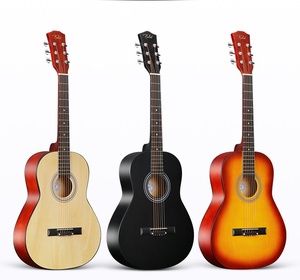
Silent guitars—historically known as headless, skeletal, or solid-core travel instruments—have transitioned from a novelty practice gear niche into a critical performance and production category. Unlike traditional acoustic guitars that depend entirely on the Helmholtz resonance of a spruce or cedar soundboard coupled with an air chamber, the silent guitar replaces physical acoustic volume with an electro-acoustic transducer architecture. For B2B private label buyers, guitar brands, and global distributors, manufacturing a commercially competitive silent guitar requires mastering two distinct engineering facets: physical ergonomic counterbalancing and clean-gain electronic circuit integration.
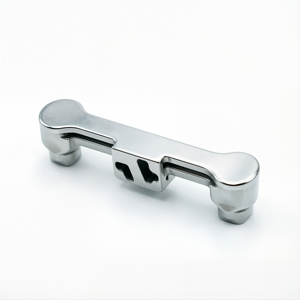
To eliminate neck dive—a notorious issue when the traditional resonant wooden body is stripped away—our structural engineering leverages high-density composite polymers, lightweight aircraft-grade aluminum skeleton frames, and modular mahogany neck-through assemblies. Furthermore, the intonation stability is secured via high-precision investment casting bridge saddles, compensating for thermal-expansion discrepancies common during international ocean shipping.
From an acoustic capture perspective, conventional undersaddle piezo strips generate an overly brittle, high-frequency "quack" when unbacked by body resonance. Our ODM silent guitar framework utilizes customized dual-source transduction: a localized undersaddle multi-crystal piezo matrix paired with an analog simulated body-resonance preamp. This delivers the exact harmonic warmth, sustain, and decay characteristics expected by professional studio recording artists and touring musicians plugged into high-gain PA systems.
Emerging Silent Guitar Sourcing Trends (2025–2030)
Strategic analysis of shifting global supply chains, material compliance, and consumer purchasing patterns for instrument distributors.
Composite & Carbon Fiber Materials
Global demand is rapidly shifting away from climate-sensitive rosewood and ebony toward carbon fiber reinforced necks and CNC composite bodies. This solves humidity-induced neck warping, freight stress fractures, and strict CITES clearance bottlenecks during customs clearance.
Integrated USB-C & Onboard DSP Engines
Modern bedroom producers and mobile creators demand guitars that operate directly as audio interfaces. Procurement contracts increasingly specify onboard OTG (On-The-Go) digital recording outputs, direct Bluetooth 5.3 backing-track inputs, and zero-latency headphone monitoring without external soundcards.
Modular Detachable Wings & Flight Portability
Airline carry-on compliance is dictating guitar dimensions. OEM buyers are placing high recurring orders for push-button quick-release wooden/polycarbonate upper bouts that fit into compact 60cm rectangular backpacks, drastically reducing global air-cargo and end-mile logistics overhead.
Why Top Distributors & Music Brands Partner With Us
Rooted in a stringed-instrument lineage dating back to 1871 with Oscar Schmidt and continuing under JAM USA LLC, our engineering facilities bridge centuries-old lutherie tradition with state-of-the-art automated manufacturing infrastructure.
From Autoharps® and mandolins to high-precision silent travel guitars, our industrial plants feature automated climate-controlled wood aging kilns, high-speed multi-axis CNC routing centers, automated electrostatic lacquering lines, and dedicated cleanroom electronic assembly facilities.
Every consignment undergoes 100% pre-shipment quality verification, including acoustic spectrum analysis, fret leveling laser measurement, and hardware salt-spray corrosion testing. We provide complete OEM/ODM support including custom laser engraving, unique industrial frame tooling, and tailored packaging solutions.
Frequently Asked Procurement Questions
Crucial commercial and technical specifications for sourcing OEM/ODM silent and acoustic instruments.
What is the typical Minimum Order Quantity (MOQ) and lead time for custom OEM silent guitars?
How do you resolve piezo "quack" and ensure authentic acoustic sound via headphones?
Can you provide left-handed configurations and custom fret scales across batch runs?
What environmental, material, and electromagnetic compliance standards do you adhere to?
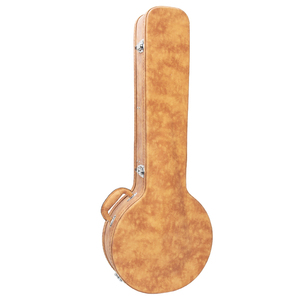
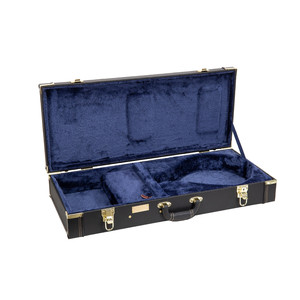
What options are available for protective packaging, gig bags, and flight cases?
Launch Your Private-Label Guitar Line With Us
Whether you need volume pricing on silent acoustic travel guitars, specialized instrument hardware investment casting, or full-scale OEM assembly, our technical engineering team is ready to assist your procurement team.
Inquire Now