Engineered Bodies, Stringed Instruments & Protective Gear
Sourced directly from our industrial manufacturing line, serving professional luthiers, high-output instrument assemblers, retail distributors, and music educators across Greater Accra, Ashanti, and the wider ECOWAS trade corridor.
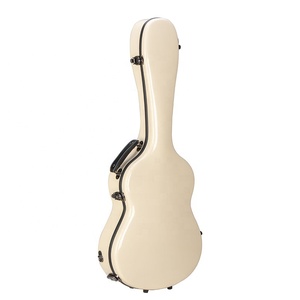
Fiberglass Ivory White Dreadnought Hard Case
Reinforced fiberglass shell designed to insulate dreadnought guitars from coastal humidity and transit shock across Ghana.
View Specifications →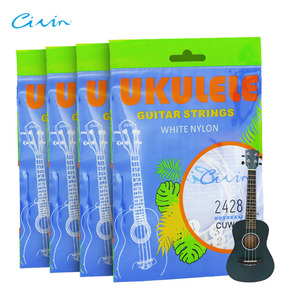
CIVIN CUW60 Universal Nylon Strings Set
Oxidation-resistant white nylon gauges engineered for sustained tension, stable intonation, and high warmth in tropical studios.
View Specifications →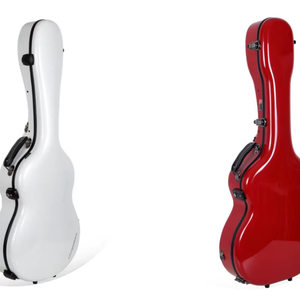
Custom Carbon Fiberglass Sealed Hard Case
Factory-direct thermal composite construction, complete with airtight sealing to safeguard high-end bodies and acoustics.
View Specifications →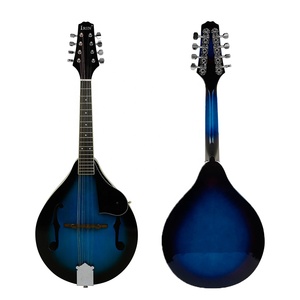
Wholesale IRIN 8-String Folk Mandolin
A-style acoustic folk body delivering punchy chop articulation, seasoned spruce tops, and dependable fretboard alignment.
View Specifications →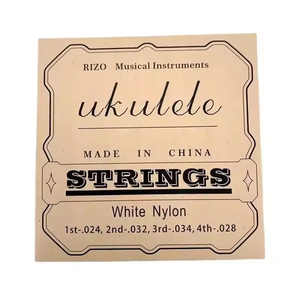
23-26 Inch Ukulele Replacement Strings Pack
Sealed kraft packaging preventing environmental degrading, matched for tenor and concert-size body assemblies.
View Specifications →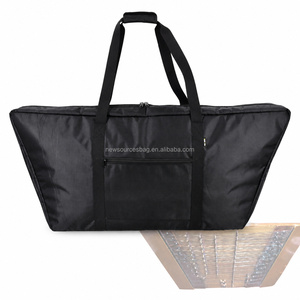
Waterproof Trapezoidal Multi-Instrument Bag
Tear-resistant nylon weave with dense interior padding for folk zithers, harp components, and audio calibration gear.
View Specifications →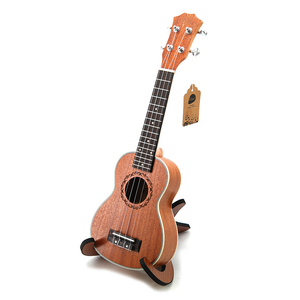
OEM Custom Mini Ukulele & Parlor Bodies
Engineered resonant soundboxes with internal bracing adjustments, built specifically for vibrant travel guitars and educational programs.
View Specifications →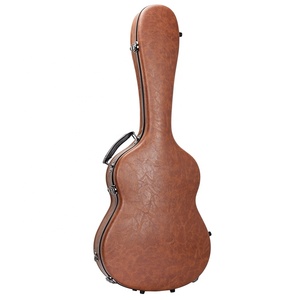
Lightweight Classical Guitar Fiberglass Case
Molded ergonomic contour lined with high-density shock absorbing sponge, matching standard 39-inch classical dimensions.
View Specifications →Engineered for Ghana's Musical Ecosystem & Climate
Importing unfinished guitar bodies or fully assembled string instruments into West Africa demands deeper attention than basic aesthetic craftsmanship. From the salt-laden atmospheric humidity of coastal Accra to the dry, dust-heavy Harmattan trade winds in the north, guitar woods experience extreme equilibrium moisture content (EMC) shifts. Our specialized production lines solve these challenges.
Highlife & Gospel Live Rigs
Ghanaian worship sanctuaries, live gospel concerts, and iconic Highlife ensembles place enormous demands on instruments. Guitars must withstand hours of non-stop outdoor performance under high temperatures. Our guitar bodies utilize multi-ply cross-laminated top bracings and kiln-stabilized mahogany blanks, preventing top sinkage or bridge peeling even when subjected to intense playing dynamics and continuous ambient warmth.
Extreme Tropical & Harmattan Cycling
Between November and March, the dry northeastern Harmattan sweeps across Ghana, plunging relative humidity down to 20%, whereas monsoon months drive it past 85%. Untreated tone woods crack, fretboards sprout, and neck pockets shift. We subject all body timbers to a multi-stage de-humidification cycle, achieving a controlled core moisture of 10%±2% before polyurethane or nitro finishing, eliminating body warp.
Local Luthier Custom Re-Assembly
A thriving contingent of guitar repairers and custom builders around Kumasi and Accra seek semi-finished, CNC-milled electric and acoustic bodies. By supplying pre-routed pickup cavities (SSS, HSS, HH configuration), pre-drilled tremolo bridge posts, and standardized neck pockets, local artisans can easily assemble boutique, high-end guitars branded under their local workshops with zero tool wear.
Emerging Procurement Trends in West Africa
The music equipment market in Ghana is transitioning from an over-reliance on second-hand, aged imports from Europe toward cost-effective, factory-new component imports. Retail chains and school systems are discovering the immense commercial margin advantage of assembling or direct-branding guitars sourced from OEM factories in China.
Shift from Second-Hand to Direct OEM
Previously, Ghanaian music merchants heavily stocked used instruments imported through Tema port. However, inconsistent neck alignment and moisture damage eroded consumer trust. Today, retailers are partnering directly with verified Chinese manufacturers to procure raw guitar bodies, hardware, and composite protective cases, achieving a 40% reduction in procurement cost with uniform quality guarantees.
Explosion of Church & Youth Ministries
Across Christian denominations in Ghana, church instrumental ensembles form the largest volume purchasers of solid-body electric guitars and acoustic-electric dreadnoughts. Purchasing directors require rugged hardware, thick polyester gloss finishes to avoid surface wear from dust, and affordable replacement bodies that can be kept in service for decades without structural failure.
Turnkey Bundling & Composite Cases
Commercial buyers no longer seek lone components; they prioritize complete supply ecosystems. Securing raw bodies alongside fiberglass hard cases, strings, and tailored bags in single ocean containers dramatically cuts volumetric logistics costs, letting buyers optimize container utilization and safeguard sensitive timber throughout maritime customs handling.
Why Partner With Us: Industrial Heritage Since 1871
Carrying over 150 years of acoustic instrument heritage, our manufacturing facility bridges traditional lutherie knowledge with modern automated multi-axis CNC robotics. As the long-standing makers of the iconic Autoharp® and high-grade stringed folk instruments, our production capabilities provide unrivaled quality assurance for global distributors.
150+ Year Heritage
Deep foundational expertise in fretted instruments, acoustics, and specialty zithers, ensuring every wood cut respects resonant acoustic grain lines.
Multi-Category Breadth
One unified supplier covering acoustic, electric, bass, mandolin, ukulele bodies, as well as molded fiberglass travel cases and strings.
Strict Climate QC
Vacuum-sealed kiln drying and environmental test chambers replicating high-salinity and extreme dry Harmattan conditions prior to packaging.
Tema Port Logistics
Direct experience handling export documentation, packaging with industrial desiccant liners, and low MOQs for container mix-loads into Tema and Takoradi.
Frequently Asked Questions by Ghanaian Importers
Direct technical, logistical, and commercial answers for instrument distributors, music academies, and workshop owners sourcing guitar bodies from China.
Q1: How do you prevent guitar bodies from warping during ocean transit to Tema?
All tonewoods undergo a dual-stage RF vacuum drying process down to 10% moisture content. Finished and unfinished bodies are wrapped in moisture-barrier anti-static film and packed with industrial silica gel canisters inside heavy-duty double-wall corrugated cartons, preventing salt air absorption during the 35-45 day sea route from Ningbo/Shenzhen to Tema.
Q2: Can we order mixed containers containing guitar bodies, strings, and cases?
Yes. As a comprehensive musical manufacturer producing guitars, autoharps, mandolins, and instrument cases, we offer integrated consolidation. You can combine electric guitar bodies, raw acoustic tone blanks, CIVIN string sets, and molded fiberglass hard cases in a single FCL (Full Container Load) or LCL consignment, minimizing port clearance fees.
Q3: Do you offer left-handed guitar body configurations?
Absolutely. Consistent with our production heritage of supporting all musician formats, our automated CNC routers can mirror any guitar body model—delivering dedicated left-handed electronic control cavities, pickguard routings, and body contours without extended mold lead-times.
Q4: Can you pre-finish guitar bodies with custom colors suitable for church stages?
Yes. We offer both raw sanded bodies (240-grit ready for local stain) and industrial robotic spray finishes, including high-gloss polyester, sunbursts, metallic pearl, and vintage poly coats that resist heavy perspiration, extreme stage spotlights, and surface abrasion.
Q5: What are your standard neck pocket dimensions for electric guitar bodies?
Our standard electric bodies feature a precision pocket width of 56mm (2-3/16"), pocket depth of 16mm (5/8"), and standard 4-bolt pilot holes, ensuring 100% plug-and-play compatibility with global aftermarket ST, TE, and modern bass guitar replacement necks.
Q6: What payment and shipping terms do you support for Ghanaian businesses?
We provide standard FOB, CIF Tema, and CFR terms with flexible T/T wire arrangements, LC at sight for qualified distributors, and can assist with full commercial invoice documentation, packing lists, and Certificate of Origin (COO) to facilitate smooth Ghana Revenue Authority (GRA) customs clearance.
Scale Your Musical Supply Chain in Ghana
Connect directly with our engineering and export team. Inquire about customized tonewood options, wholesale pricing tiers, container consolidation, or custom CNC tooling specifications.
Send an Inquiry