Engineered Flight & Stage Cases for Indian Import Consignments
Every shell integrates multi-axial fiberglass filaments, moisture-sealed extrusion profiles, and micro-velvet interior molds developed specifically to combat structural degradation from fluctuating barometric conditions.
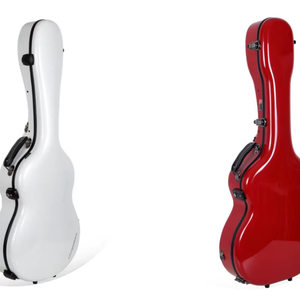
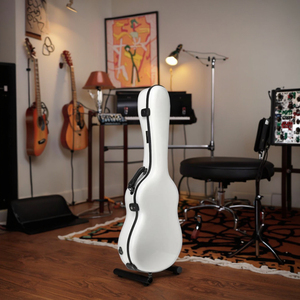
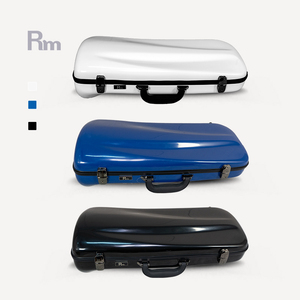
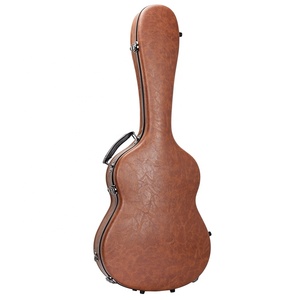
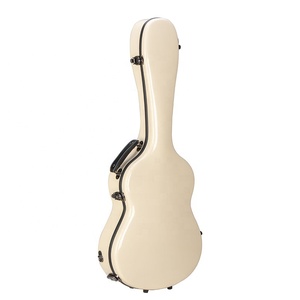
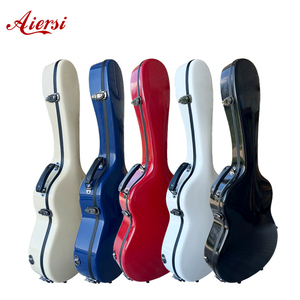
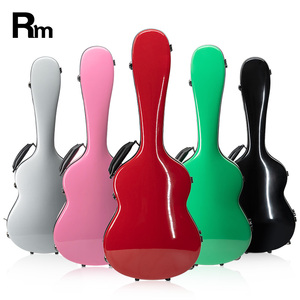
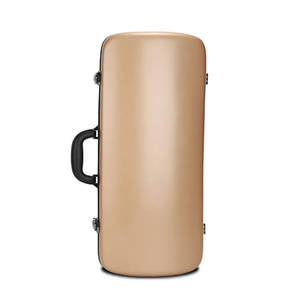
Contextual Application Scenarios Across Greater Mumbai & Western India
Supplying high-end musical instrument protection in Mumbai requires engineering that accounts for severe oceanic humidity, volatile monsoon rainfall, tight public transit hubs, and heavy touring itineraries between film lots and performance arenas.
Monsoon & Coastal Humidity Defense
Mumbai’s ambient humidity routinely tops 85% to 92% between June and September. Traditional wooden, five-ply cases breathe excessively, allowing wood swelling, fret sprout, adhesive breakdown, and bridge lifting. Our vacuum-molded fiberglass composite forms an impervious non-porous vapor barrier. Outfitted with vulcanized EPDM rubber tongue-and-groove valances, the interior maintains an equilibrium micro-climate, ensuring expensive solid sitka spruce and Indian rosewood remain uncompromised.
Bollywood & Commercial Recording Circuits
Studio instrumentalists commuting across Goregaon Film City, Andheri west recording complexes, and Bandra facilities face dense urban gridlock, local train transits, and rapid temperature changes from outdoor heat into aggressively air-conditioned tracking rooms. The high dimensional stability of reinforced glass fibers mitigates rapid thermal expansion and contraction, preventing nitrocellulose finish checks and sudden detuning.
Interstate Touring & Regional Rail Logistics
Whether stowed inside luggage rakes on the Western Line suburban transit or hauled on regional tour buses towards festivals in Pune, Goa, and Bangalore, instruments face relentless vibrational stress and compressive loads. Our fiberglass structures possess exceptional flexural rigidity and shear strength, deflecting severe impact forces across external convex arches instead of transferring kinetic shock directly into the guitar’s headstock or heel joint.
Comparative Specification: Why Mumbai Retailers Shift to Reinforced Composites
For decades, the Indian domestic market leaned heavily on low-cost ply-wood cases and padded nylon gig bags. However, high-value instrument imports—including vintage dreadnoughts, premium flamenco, and classical concert guitars—demand rigorous material properties that standard domestic fabrics cannot deliver.
| Performance Attribute | Standard Multi-Ply Wood Case | Injection-Molded ABS | Export-Grade Reinforced Fiberglass |
|---|---|---|---|
| Tensile Strength | Low (Prone to delamination under damp heat) | Medium (Vulnerable to fracture along thermal seams) | Ultra-High (Cross-woven continuous strand roving) |
| Humidity Permeability | High (>18% interior moisture uptake in 48h) | Moderate (Seals deform when latches misalign) | Hermetic Profile (Impervious vulcanized gasket seals) |
| Crush & Impact Resistance | Yields along seam corner joints under 60 kg load | Tends to crack under localized point-impacts | Deflects compressive forces exceeding 250+ kg |
| Thermal Insulation Index | Poor (Absorbs moisture and retains heat) | Moderate thermal conductance | Engineered core foam buffering thermal shock |
| Tare Weight to Rigidity | Heavy (5.5 kg – 7.2 kg with low portability) | Lightweight (3.2 kg but brittle under stress) | Optimal Balance (3.8 kg – 4.5 kg high strength-to-weight) |
Emerging Supply Trends in the Western India Musical Instrument Ecosystem
Data-driven dynamics reshaping the commercial landscape for distributors, showroom proprietors, and enterprise buyers in Maharashtra.
Premiumization of Domestic Acoustic Purchases
Retail trade corridors along Mumbai’s Lamington Road and suburban retail centers report an unprecedented shift toward solid-wood acoustic guitars and handcrafted classical instruments. Concurrently, consumers refuse to risk ₹80,000 to ₹300,000+ instruments in basic gig bags. Retailers package high-value fretted instruments exclusively inside fiberglass or carbon-composite shells to enhance perceived showroom value and curb return rates caused by humidity warping.
Streamlined Clearance via Nhava Sheva (JNPT)
With direct international container routes into Jawaharlal Nehru Port Trust (JNPT), Mumbai serves as the centralized import and redistribution apex for India. Wholesale consignees benefit from optimized LCL and FCL consolidate shipments, reducing clearing delays and port detention overheads while enabling rapid surface haulage across interstate corridors to Gujarat, Karnataka, and New Delhi.
Ergonomic Backpack & Flight-Ready Formats
Metropolitan mobility dictates customer preference. Modern musicians in congested metropolises reject awkward single-handle cases. Demand has spiked for hydrodynamic fiberglass contours featuring recessed TSA-accepted locking mechanisms, balanced center-of-gravity design, and multi-point d-ring anchors fitted with automotive-grade padded shoulder straps for hands-free scooter and transit commuting.
Manufacturing Excellence & Global Distribution Directives
Integrating world-class structural manufacturing with string instrument heritage tracing back to 1871, we bring an unmatched balance of tonal sensitivity, composite engineering, and export rigor.
Heritage-Rooted Acoustic Understanding
We do not view case construction merely as luggage molding. Originating from historic fretted and string craft lineages dating back over 150 years—building folk autoharps, mandolins, and premium acoustics—our structural designs accurately prioritize critical interior clearance zones: bridge protection, neck heel relief, headstock angle suspension, and zero-pressure top contact.
Turnkey OEM/ODM Customization
From high-gloss automotive finishes in bespoke pantone shades to silk-screened dealer emblems, custom interior micro-plush velvet layouts, integrated hygrometer cutouts, and reinforced carbon-hybrid fabrics, our assembly lines cater to enterprise private-label brands seeking exclusive market differentiation in South Asia.
Export Compliance & Damage-Proof Palletizing
International shipments to India undergo rigorous export pre-conditioning. Each unit is wrapped in heavy anti-scratch microfoam sleeves, sealed in five-ply corrugated master cartons, and palletized with moisture-absorbing desiccant systems to ensure pristine showroom presentation straight from container destuffing at JNPT or air cargo terminals.
Frequently Asked Questions for Mumbai Importers & Wholesalers
Clear, direct answers regarding custom clearance, minimum order volumes, material specs, and supply chain logistics for Indian port arrivals.