
Stage Rigging & Straps
Each component and instrument is manufactured under stringent climate-controlled processes, optimized for rapid turnaround in Latin American distribution networks.
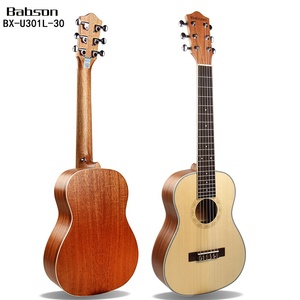
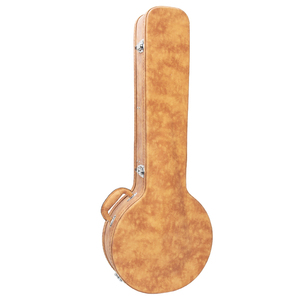
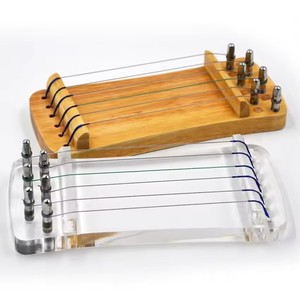
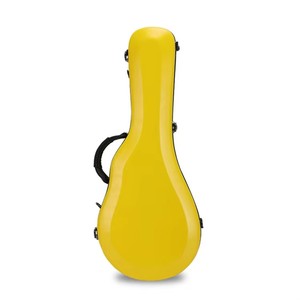

Understanding how international folk string manufacturing translates directly into Brazil’s rich traditional genres, humid tropical climate zones, and retail channels.
Brazil possesses one of the world's most vibrant and rhythmically complex fretted-instrument traditions. From the syncopated counterpoint of Choro and Samba driven by the 4-string Cavaquinho and tenor banjos to the deep pastoral storytelling of Música Caipira led by 10-string Viola Caipira configurations, folk string instruments are foundational to the Brazilian identity. In modern stages, bands across São Paulo, Minas Gerais, and Bahia continuously fuse traditional Brazilian polyrhythms with American folk elements, including 5-string banjos, parlor guitars, and hybrid 6-string guitarleles.
Our OEM/ODM manufacturing facility specializes in bridging these structural worlds. We engineer high-resonance soundboards, specialized scale lengths, and braced rim assemblies capable of producing the percussive projection, bell-like sustain, and articulate high-mid punch required in high-energy Brazilian live circles (Rodas de Samba and regional folk ensembles).
Brazil exhibits severe climate variations, from coastal relative humidity exceeding 85% in Rio de Janeiro and Salvador to dry inland savannas in the Cerrado. Our timber goes through specialized radio-frequency kiln drying, stabilizing core moisture at an equilibrium of 8% to 10% to prevent neck warping, fret sprout, and soundboard bellying upon arrival in Santos Port.
Traditional Brazilian ensemble arrangements demand instruments that cut clearly through complex syncopation and hand percussion (such as pandeiros, tantans, and surdos). Our banjos and acoustic instruments utilize rolled-brass tone rings and quartersawn sitka/spruce bracing patterns that deliver instant attack, sharp transient response, and articulate projection.
Navigating the Brazilian tax landscape (II, IPI, PIS/COFINS, and ICMS) requires strategic supply chain structuring. We provide fully compliant Mercosur Common Nomenclature (NCM 9202 and 9207) documentation, knocked-down or complete assembly shipping options, and palletization designed to minimize volumetric shipping costs.
Forward-looking intelligence for instrument importers, institutional music educators, and private-label brand managers across South America.
The explosive dominance of commercial Sertanejo Universitário has spurred renewed interest among younger Brazilian generations in acoustic roots instruments. Entry-to-intermediate acoustic parlor guitars, 6-string banjos (banjitars), and hybrid acoustic ukuleles are experiencing double-digit commercial retail velocity in interior retail hubs across Paraná, Goiás, and São Paulo state.
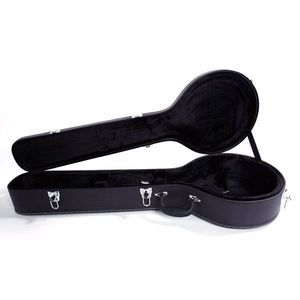
Brazilian municipal schools, social community initiatives (such as Guri Project), and non-profit youth orchestras are heavily expanding fretted and traditional string programs. Institutional buyers demand robust, budget-conscious instruments with reinforced truss rods, impact-resistant synthetic binding, and durable composite road cases that endure heavy classroom usage.
With tightening environmental regulations and IBAMA scrutiny regarding endangered native rosewoods (Dalbergia nigra), major importers are turning to certified, sustainable alternatives. Our engineering team utilizes torrefied maple, high-density technical techwood fretboards, and moisture-sealed engineered composites that provide consistent acoustic timbre without import clearance bottlenecks.
Built upon an artisanal legacy dating back to 1871, we unite multi-generational woodworking craft with modern precision automated CNC production lines.
Originating in Jersey City, New Jersey, in 1871, the brand lineage helped popularize chorded zithers (Autoharp®), acoustics, and fretted string crafts worldwide. Today, as part of an international manufacturing footprint alongside industry leaders like Washburn, we bring over a century of acoustic calibration to your proprietary catalog.
We provide full white-label capabilities for established Brazilian instrument distributors. From bespoke neck profiles (C-shape, soft-V), custom headstock wood veneers, laser-inlaid perloid branding, and localized preamp piezo pickups to specific metric string gauges, your specifications are strictly realized.
Unlike suppliers who simply flip string nuts on standard bodies, our facility maintains dedicated left-handed tooling, bracing symmetries, and bridge saddle compensations. Brazilian retailers can stock true ergonomic instruments for all players without costly internal workshop restructuring.
Before any container dispatch leaves our assembly docks, each piece undergoes a 4-stage inspection routine: digital fret-level analysis via Plek systems, soundboard resonance oscillation testing, bridge shear testing under maximum tension, and environmental thermal shock simulation. Packaged inside impact-resistant 5-ply cartons with moisture-absorbing silicate capsules, each unit reaches South American distributors ready for instant retail display without localized adjustment overhead.
Direct answers addressing logistical compliance, customs clearance, minimum order volumes, and tropicalization standards.
Connect directly with our engineering and international trade department to request technical spec sheets, wholesale tiered pricing, and factory OEM consultation.