Resonator Guitar Manufacturing Architecture for the Turkish & Eurasian Markets
An engineering and trade whitepaper detailing aluminum cone spinning, bell brass metallurgy, and the microtonal cross-pollination within Istanbul's vibrant musical ecosystem.
The acoustic physics of the resonator guitar—originally conceived during the late 1920s to solve acoustic volume limitations before electronic amplification—has undergone an industrial renaissance. In modern international commerce, Istanbul stands as the premier intercontinental trade bridge linking specialized East Asian manufacturing facilities with European, Middle Eastern, and North African (MENA) retail corridors. As a dedicated OEM/ODM guitar factory and exporter, our facility leverages precision-drawn bell brass bodies, hand-spun aircraft-grade aluminum diaphragms, and computer-controlled CNC wood fabrication to fulfill the complex requirements of Turkish lutherie retailers, studio engineers, and touring artists.
Traditional dreadnought and parlor guitars produce resonance through the wood soundboard; in contrast, a resonator relies entirely on string vibrations transferring mechanically through a maple bridge and aluminum saddle into a spun metal cone (or three cones in a tricone architecture). This creates a mechanical speaker assembly right inside the chassis. In the humid maritime air currents along the Marmara Sea, solid-wood instruments frequently suffer from neck relief deviation, soundboard swelling, and glueline instability. Our specialized export lines solve these structural issues via thermally modified quarter-sawn hard rock maple necks, carbon-fiber structural reinforcement rods, and anti-corrosive galvanic nickel or duotone powder coatings over high-tensile brass or aircraft alloy bodies.
Single-Cone Spider Bridge Systems
Engineered for crisp projection, pronounced mid-frequency honk, and cutting bluegrass chops. The cast aluminum spider transmits string oscillation evenly across an inverted concaved aluminum cone, delivering immense projection in live acoustic spaces.
Biscuit-Bridge Blues Architectures
The benchmark of early Mississippi Delta tone, optimized for quick decay, earthy thud, and metallic attack. The hard maple disc resting directly upon a conventional cone delivers immediate transient response, ideal for Bottleneck slide players across Anatolian stages.
Tricone Harmonic Arrays
Featuring three distinct 6-inch hand-spun aluminum cones interconnected by a calibrated T-shaped aluminum bridge. This provides a warm, stereo-like acoustic spread with prolonged sustain, ideal for contemporary cinematic scores, indie folk, and jazz arrangements.
Localized Performance Applications in Istanbul and Anatolia
Istanbul’s musical fabric represents an extraordinary tapestry where classical Ottoman art music, traditional Turkish folk (Halk Müziği), Anatolian Rock, and Delta blues intersect. This cultural synthesis has created novel musical applications for our resonator instruments throughout the historic recording studios of Kadıköy, bohemian concert stages in Beyoğlu, and conservatory performance halls in Beşiktaş:
Anatolian Rock & Microtonal Slide Fusion
Contemporary Turkish guitarists exploit the continuous pitch flexibility of the slide bottleneck on round-neck resonators to play non-tempered makam scales. The metallic clarity of a steel or brass resonator provides sustained microtonal expressions that sit cleanly over heavy percussion.
Acoustic Street Busking on İstiklal Caddesi
In the vibrant, loud pedestrian avenues of Taksim, street performers face massive ambient sound levels. Resonators produce an acoustic SPL exceeding 96 dB without external amplification, allowing buskers and traveling troubadours to project over crowds while remaining fully portable.
Cross-Disciplinary Studio Sessions
In modern Turkish film score production and commercial recording hubs, session engineers incorporate biscuit-bridge resonators alongside the Oud, Kanun, and Cümbüş (a traditional Turkish skin-headed resonator). The distinct sonic footprint adds rich tonal texture without frequency cluttering.
Market Dynamics & Import Trends Across the Marmara Region
The import trade for high-grade fretted musical instruments in Turkey has shifted significantly over the past decade. Local retailers along Galip Dede Street—Istanbul’s historic "Music Avenue" winding down from Tünel Square to Karaköy—traditionally sourced generic wooden guitars through multi-tiered intermediaries. However, fluctuating exchange rates, customs regulations under Turkish Free Trade Zone protocols, and rising buyer sophistication have changed procurement strategies.
First, music shops are increasingly bypassing domestic trading intermediaries to partner directly with dedicated OEM factories. Direct factory partnerships safeguard profit margins and ensure customizable specs: personalized headstock branding, bone nuts, customized neck profiles, and bespoke string spacing tailored to regional fingerpicking styles.
Second, durability in harsh coastal climates has elevated the demand for metal-body designs. Unlike standard acoustic tops that belly or crack under seasonal humidity changes, our electroplated brass and nickel-alloy shells offer lifelong structural stability, minimizing warranty claims and return logistics for retail shops.
Why Importers & Music Dealers Partner With Our Factory
Continuing the rigorous tradition of fretted instrument engineering that dates back to 1871—anchoring brands like Oscar Schmidt and sister lines under Washburn—our manufacturing infrastructure provides distinct operational advantages for B2B procurement:
150+ Years of Craftsmanship Heritage
Founded on classic American lutherie traditions, our manufacturing line merges vintage acoustic recipes with advanced computerized consistency, ensuring each instrument meets strict tone and setup tolerances.
Comprehensive Multi-Category Breadth
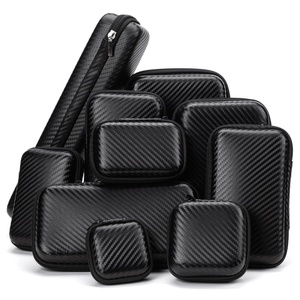
From biscuit and spider resonators to Autoharps®, ukuleles, folk banjos, electric mandolins, and EVA molded protective cases, we consolidate diverse musical inventories into single container shipments.
Rigid Environmental Curing & QC
All woods undergo computer-monitored kiln drying to 8-10% equilibrium moisture content before fret seating and cone leveling, ensuring necks and fretboards resist twisting across hot, humid climates.
Comprehensive OEM & Left-Hand Options
Full private labeling services: mother-of-pearl headstock inlays, custom finishes, built-in magnetic/piezo pickup systems, and mirrored left-handed production runs across all primary models without hefty tooling surcharges.
Full Trade Compliance & Warranty
We supply authenticated certificates of origin, Lacey Act lumber verification, non-CITES rosewood substitutes, and factory-backed warranties, providing retail chains complete downstream confidence.