High-Precision Guitar Hardware Solutions for Swedish Luthieries & OEMs
Explore our export-grade portfolio of structural metal hardware, precision fasteners, CNC-machined potentiometer interfaces, and patented mechanical locking systems designed to withstand Northern European relative humidity fluctuations and heavy stage performance.
The Swedish Lutherie & Musical Hardware Landscape: Engineering for Extreme Climate Swings
The Kingdom of Sweden occupies a singularly influential position within the global musical instrument sector. From iconic heritage production like Hagström to the modern renaissance of ergonomic multi-scale engineering pioneered by Strandberg Guitars in Uppsala, Swedish stringed instrument craft balances minimalist Scandinavian design with demanding mechanical tolerances. Swedish guitar manufacturers, custom repair shops in Stockholm, Gothenburg, Malmö, and Umeå, and regional Nordic distributors require hardware capable of surviving severe environmental stress while delivering pristine acoustic resonance.
A primary failure point for imported string instrument hardware in the Scandinavian region stems directly from Nordic indoor-outdoor hygroscopic variance. During Scandinavian winters, temperatures drop below -20°C with sub-ambient absolute moisture, while centralized district heating systems (fjärrvärme) reduce interior indoor relative humidity (RH) down to 15% to 20%. Conversely, Scandinavian summers bring coastal humidity levels above 75% RH. This extreme cyclicity exerts intense dynamic stress on timber necks and soundboards, forcing instrument bridges, truss adjustments, saddle screws, and string-fixation ferrules to compensate continuously for dimensional shifts in wood grain without losing string seating, micro-intonation, or galvanic bond integrity.
Material Science Analysis: Combatting Embrittlement, Fretting & Galvanic Degradation
When selecting guitar hardware for the Swedish market, musical instrument engineers must weigh acoustic impedance against mechanical longevity. Low-cost mass-market hardware typically relies on porous zinc die-casting because of low tooling costs; however, zinc suffers from internal resonant dampening and an acoustic absorption coefficient that truncates note decay (sustain). Furthermore, zinc threads strip under recurring intonation setups under tension.
Our OEM/ODM manufacturing facility focuses on three specialized metallurgical categories tailored specifically to professional Scandinavian stringed instruments:
Investment Cast Stainless (304 / 316)
Manufactured using advanced lost-wax silica-sol casting. Delivers zero internal porosity, extreme structural density, and unmatched brilliance in the 2.5 kHz - 5 kHz harmonic range. Exceptionally resistant to acidic player sweat and condensation without needing toxic hexavalent chromate coatings.
Acoustic Resonant Bell Brass (CW614N)
High-density acoustic brass screws, nuts, and bridge blocks provide natural dampening of abrasive high transients while augmenting fundamental lower-mid frequencies. Fully compliant with Swedish KemI regulations regarding restricted toxic alloying elements.
Cryogenically Stabilized Carbon Steel
Subjected to sub-zero thermal cycling to eliminate residual stress from CNC turn-milling. Guarantees that bridge posts, knurled knobs, and string tension clips hold exact micro-tolerances down to ±0.005 mm through Scandinavian winter touring.
Technical Comparison: Guitar Hardware Substrates in High-Performance Swedish Lutherie
The selection of substrate metals directly affects bridge vibration transfer to the body tonewood (e.g., Arctic birch, alder, Swedish flame maple, or carbon fiber composite). The following benchmark matrix illustrates physical, mechanical, and regulatory parameters across industry-standard alloys:
| Hardware Substrate | Density (g/cm³) | Vibration Velocity (m/s) | Corrosion Resistance (ASTM B117) | Nordic Cold Brittleness | EU REACH / RoHS Status |
|---|---|---|---|---|---|
| Investment Cast SUS304 / 316 | 7.93 - 8.00 | ~5,790 m/s (Fast attack) | > 240 hrs without red rust | Immune (Austenitic lattice) | Fully Compliant |
| Lead-Restricted CW614N Brass | 8.44 | ~4,700 m/s (Warm sustain) | > 120 hrs (Forms protective patina) | High ductile endurance | Fully Compliant |
| CNC Cold-Rolled C1045 Steel | 7.85 | ~5,120 m/s (Punchy midrange) | > 96 hrs (With Zn/Ni barrier) | Cryo-stabilized against shock | Fully Compliant |
| Standard Zinc Die-Cast (ZAMAK-3/5) | 6.60 - 6.70 | ~4,100 m/s (Sluggish/Muffled) | < 24 hrs (Severe white rust pitting) | Prone to micro-fracture below -10°C | Contains Trace Toxins |
Application Profiles: Integrating Precision Components into Modern Swedish Guitar Builds
Different musical styles in Sweden—ranging from melodic death metal and progressive djent to neoclassical acoustic fingerstyle and indie pop—demand tailored mechanical performance from guitar hardware:
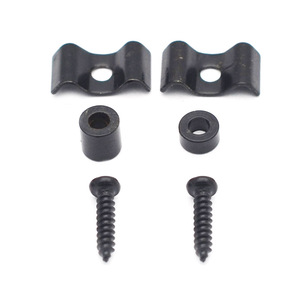
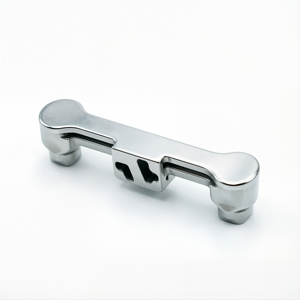
1. Multi-Scale & Headless Guitars (Uppsala / Gothenburg Progressive School): Modern progressive luthiers favor headless string-lock systems and high-tension clips that secure extended-range string gauges (.009 through .084) without cutting core wire windings. Our ST Electric Guitar Bridge High Tension String Clip and Precision Investment Cast Bridge Saddles eliminate string slippage during aggressive polyrhythmic picking while retaining individual string ground connectivity.
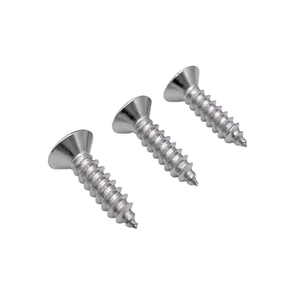
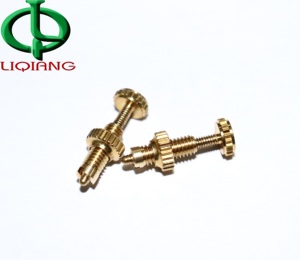
2. Studio Basses & Vintage Electric Restorations: Custom workshops in Stockholm frequently service vintage Hagström basses and boutique archtops. The use of our M3*12mm Bass Guitar Pickguard Screws and DIN Instrument Fasteners provides exact thread pitching that prevents stripped wood pilot holes in cured northern alder and birch bodies, while our nickel-electroless coatings guarantee a vintage-accurate aesthetic without flaking or green copper-leaching.
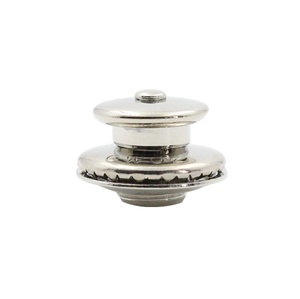
3. Heavy Stage Rigorous Performance & Touring: Traveling bands traversing cold Scandinavian terrain face constant thermal shock when carrying instruments from sub-zero tour vans into heated performance venues. The SNOWL OWOZ Anti-Falling Guitar Buckles utilize heavy-duty stainless steel spring-loaded locking detents rated past 1,200 Newtons of tensile load, preventing catastrophic strap release and body drops regardless of stage kinetic energy.
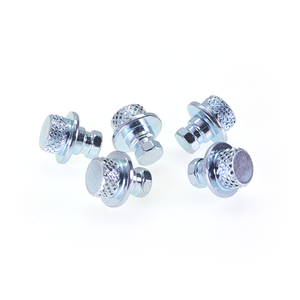
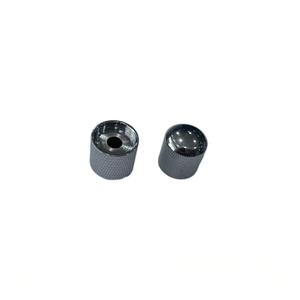
4. Boutique Rotary Electronics & Potentiometers: High-end Scandinavian audio design emphasizes tactile refinement. Our Custom CNC Stainless Steel Potentiometer Knobs and Knurled Switch Hardware feature precision-broached inner bores (available in 18-tooth coarse, 24-tooth fine spline, and 6.35mm solid set-screw formats) with knurl geometry optimized for positive tactile grip, even during intense live performances under warm stage lights.
Navigating Sweden's KemI, EU RoHS 3, and REACH Directives for Musical Hardware
Sweden enforces some of the most rigorous chemical safety and environmental import criteria in the European Union, supervised by the Swedish Chemicals Agency (Kemikalieinspektionen - KemI). Importers, distribution houses, and luthiers purchasing non-EU hardware bear absolute legal liability for chemical compliance. Importing guitar components with non-compliant heavy metals or banned surface treatments can result in customs impoundment at Gothenburg or Arlanda ports, hefty administrative fines, or mandatory product recalls.
Our complete manufacturing pipeline conforms rigorously to all applicable European Union statutory requirements:
- RoHS Directive 2011/65/EU & Amendment (EU) 2015/863 (RoHS 3): 100% elimination of hexavalent chromium (Cr6+), polybrominated biphenyls (PBB), and phthalate plasticizers (DEHP, BBP, DBP, DIBP) across all bridge components, plastic gaskets, and surface conversion coatings.
- REACH Regulation (EC) No 1907/2006: Complete surveillance over Substances of Very High Concern (SVHC). Every batch is verified below the 0.1% w/w threshold, accompanied by certified Full Material Disclosure (FMD) documentation.
- Nickel Discharge Limits (EN 1811:2011): Hand-contact components—especially knurled control knobs, bridge palm rests, and tremolo levers—are finished with physical vapor deposition (PVD) or hypoallergenic nickel barrier layers that prevent excessive nickel ion migration onto musicians' fingertips.
- Conflict Minerals Due Diligence: Certified supply chains ensuring tantalum, tin, tungsten, and gold (3TG) are responsibly sourced in adherence with OECD guidelines.
Why Scandinavian Manufacturers Partner with Our Precision Production Network
Rooted in over 150 years of global stringed-instrument manufacturing heritage and deep supply chain integration, our enterprise bridges the gap between old-world artisan musical craft and cutting-edge aerospace-grade manufacturing technology:
Low-Run Prototyping to High-Run Volume
From custom 50-piece bespoke runs for boutique Swedish custom shops to 100,000-piece automated production runs for global distribution networks, we maintain identical micron-level precision and process capability (Cpk ≥ 1.67).
Custom Tooling & Rapid CAD/CAM
Our engineering department supports STEP, IGES, and SolidWorks native files. We supply 3D metal printed functional prototypes and pilot tooling within 12 business days, drastically cutting R&D lead time for new instrument designs.
Comprehensive Testing & Traceability
In-house optical comparators, Rockwell hardness testers, dynamic fatigue rigs, and spectrophotometric salt-spray chambers ensure that every export shipment to Sweden arrives defect-free and backed by full batch heat numbers.
Frequently Asked Questions: Sourcing Guitar Hardware for Sweden
Addressing the critical engineering, logistic, and regulatory inquiries commonly raised by Swedish OEM supply directors, purchasing managers, and bespoke master luthiers.
How do you protect guitar bridge saddles and screws from seizing during dry Swedish winters?
Can you provide complete chemical documentation for the Swedish Chemicals Agency (KemI)?
What are the minimum order quantities (MOQs) for custom-branded or custom-plated hardware?
How does stainless steel investment casting compare acoustically to traditional brass or zinc?
What lead times and shipping options are available for Swedish destinations like Stockholm and Gothenburg?
Can your engineering team support custom CAD/CAM drawings for proprietary headless guitar hardware?
Accelerate Your Musical Hardware Supply Chain in Sweden
Whether you are designing a next-generation ergonomic headless instrument in Stockholm, equipping a boutique custom shop in Gothenburg, or distributing high-volume fretted components across the Nordic territory, our metallurgists and manufacturing engineers are ready to support your technical specifications.