Featured Mandolin Case Solutions
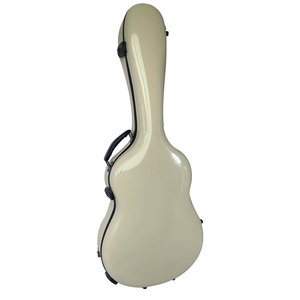
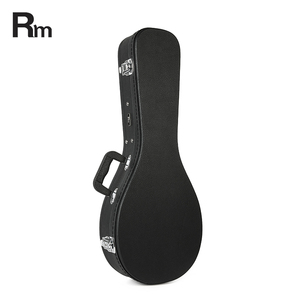
Designed for both vintage teardrop and ornate modern scroll configurations. Explore heavy-duty fiberglass shells, archtop plywood architectures, and weather-sealed road cases calibrated for North American climatic variation.
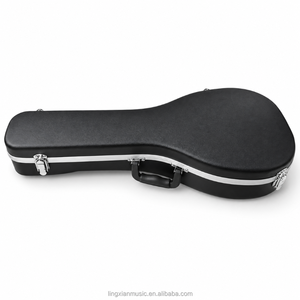
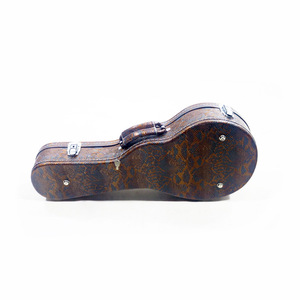
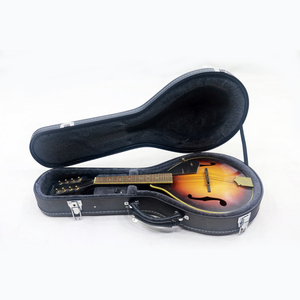
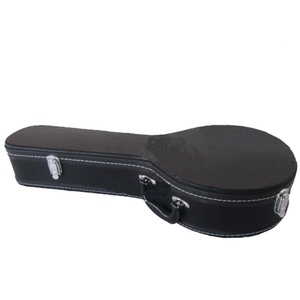
Engineering Rigidity: The Mechanics of Modern Mandolin Preservation
In the competitive landscape of musical instrument protection across the United States, mandolins represent an acoustic vulnerability threshold significantly greater than standard full-scale dreadnought guitars or solid-body electric instruments. With an overall scale length hovering between 13.875 and 14 inches and twin course string tensions routinely exceeding 180 to 220 pounds across the carved spruce top, the physical stress stored within a hand-carved A-style or F-style mandolin is monumental. When North American touring artists travel across contrasting microclimates—from the sub-zero dry winds of Minnesota winters to the high-humidity coastal heatwaves of the Carolinas—the protective enclosure must serve as both an unyielding mechanical exoskeleton and an isothermal micro-environment.
As an established authority supplying regional music store chains, nationwide fretted instrument distributors, and bespoke lutherie collectives, our manufacturing processes prioritize kinetic shear dissipation, headstock decoupling, and humidity buffering. The historical vulnerabilities associated with early 20th-century hard-shell cases—namely inadequate peghead scroll clearance, weak hinge rivets, and insufficient lid arching that allowed top load transfers onto floating bridges—have been systematically eradicated in our production paradigms.
Every casing configuration that rolls off our fabrication lines features a five-ply cross-laminated marine or birch structural core or an advanced closed-mold fiberglass composite matrix. Through vacuum-infused resin curing, our fiberglass variants achieve an exceptional strength-to-weight ratio, ensuring touring bluegrass and orchestral mandolinists achieve airline carry-on and gate-check compliance without sacrificing structural peace of mind.
Torsional Neck Anchoring
Our engineered blocks utilize high-density polyurethane and high-rebound open-cell sponge backing to secure the delicate heel and scrolled headstock in total isolation, preventing bridge loading.
- Zero-clearance floating bridge relief
- Elevated peghead chamber
- Tailpiece and endpin safety buffer
Climatic Thermal Barriers
Equipped with seamless continuous perimeter neoprene gaskets, our fiberglass and ABS lines dramatically slow down external humidity transfers, safeguarding tonewood finishes from checking.
- Hydrophobic exterior shell coats
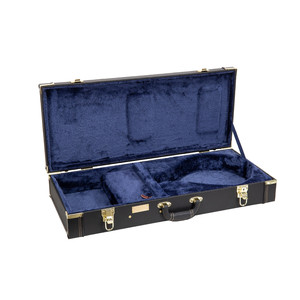
- Crushed velvet lining over EPS
- Gradual microclimate equilibrium rate
Heavy-Duty Hardware Array
We install through-bolted, counter-sunk chrome and gold drawbolt latches, high-tensile hinges with solid stop mechanisms, and reinforced structural edge bindings rated for abusive load bearing.
- TSA-accessible key locking latch
- Triple-riveted valance integration
- Heavy-gauge rubber leveling bumpers
Request Custom B2B Case Wholesale Quotations
Streamline your seasonal stock, commission customized case runs with OEM interior branding, or access distributor-level tiered pricing for music stores and online merchants across the USA.
Get a QuoteRegional Applications & Field Usage Scenarios Across North America
Mandolin acquisition trends and usage patterns in the United States differ drastically from standard fretted gear due to the instrument’s central placement across specialized traditional genres. Sourcing managers and music merchants must align their inventory according to distinct regional usage archetypes:
Appalachian & Bluegrass Festival Circuits
The sprawling summer festival circuit—spanning MerleFest in North Carolina, the Telluride Bluegrass Festival in Colorado, and historic gatherings throughout Kentucky—places tremendous demands on portable gear. Instruments endure continuous baking inside parked vehicle trunks, rapid humidity plunges at alpine elevations, and abrasive outdoor terrain.
For these touring artists, our reinforced fiberglass shells with integrated backpacker D-rings provide the quintessential balance of thermal resistance and physical mobility during extended fieldwork.
Academic Conservatories & Folk Heritage Archiving
Across classical conservatories in Boston and Chicago, as well as institutional folk heritage centers preserving historical Gibson A-0 and F-4 models, interior fabric composition is paramount. Chemical off-gassing from low-cost glues found in generic cases can permanently react with century-old spirit varnish or delicate nitrocellulose finishes, causing clouding or softening.
Our cases utilize strict non-volatile organic compound (zero-VOC) adhesives, premium anti-tarnish crushed velvet linings, and verified non-reactive cushioning compounds to maintain historical varnish integrity over decadal shelf lives.
Procurement Trends Driving the US Mandolin Case Sector
Aerospace Polymer Shift
Dealers are increasingly moving from traditional wooden plywood shells toward aerodynamic polycarbonates and specialized fiberglass formulations that shave off 35% of total mass while doubling crush tolerance.
Active Humidity Integration
Modern US buyers demand integrated compartments sized specifically for Boveda® two-way humidity packs and digital Bluetooth hygrometer transmitters to continuously monitor interior relative humidity levels.
Custom B2B Brand Private Labeling
Regional retail cooperatives and independent luthiers seek private badge stamping, specialized custom tolex grains (tweed, alligator, vintage brown), and distinctive interior crushed velvet hues for retail differentiation.
Why Global Brands & US Dealers Partner With Us
Rooted in instrument craft traditions spanning over a century and a half, our manufacturing capability unites historic American acoustic understanding with automated industrial scalability.
Founded on heritage craftsmanship dating back to 1871—a lineage intertwined with historic fretted and folk traditions encompassing the Autoharp®, parlor acoustics, banjos, and mandolins—our industrial infrastructure understands instruments from the inside out. We are not merely box fabricators; we are acoustic instrument manufacturers operating under the umbrella of premier musical supply organizations.
Our manufacturing division delivers comprehensive benefits to commercial clients across the Americas:
Frequently Asked Questions by US Purchasing Managers
Clear, definitive technical clarifications addressing geometry, materials, shipping parameters, and commercial customization terms.
Elevate Your Wholesale Mandolin Protection Strategy
Connect directly with our senior product engineers and commercial account specialists to explore bulk volume price breaks, custom manufacturing specifications, and seasonal production scheduling.
Get a Quote