The Global Architecture of OEM/ODM Archtop Manufacturing
Archtop guitar engineering represents the undisputed pinnacle of fretted instrument construction. For international importers, distributor networks, and brand owners, navigating OEM archtop guitar supply chains requires an intricate balance between classic European violin carving methodologies and scalable, climate-resilient manufacturing technology.
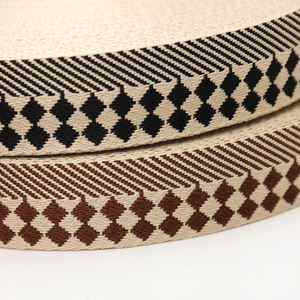
High Quality 38mm Polyester Jacquard Webbing Guitar Strap
Product Specs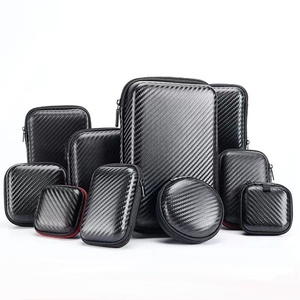
Custom Archtop Precision Flight Case Carbon EVA Shockproof Shell
Product Specs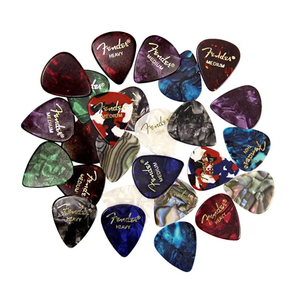
Factory OEM Floating Bridge & Tailpiece Accessories Set
Product Specs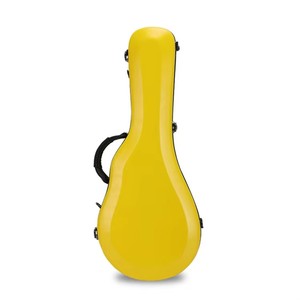
Reinforced Fiberglass Hard Shell Archtop & Banjo Case
Product Specs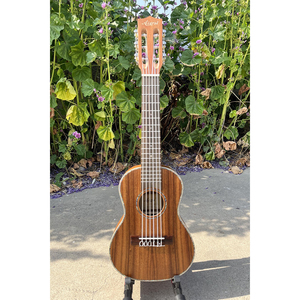
OEM Mini Chambered Portable Archtop Travel Guitarlele
Product Specs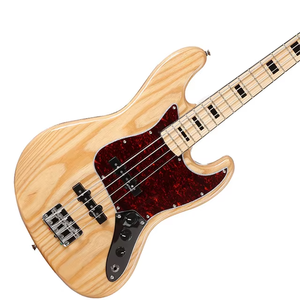
Custom Carved Solid Top Acoustic-Electric Archtop Jazz Bass
Product Specs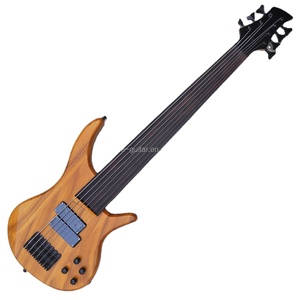
Extended Range 7-String Archtop Semi-Hollow Studio Guitar
Product Specs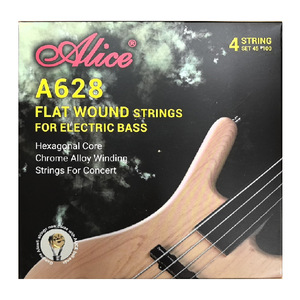
OEM Flat Wound Chrome Hex-Core Archtop Jazz String Set
Product SpecsFuture Procurement Trends for Archtop Guitar Importers
Analyzing geopolitical, environmental, and technological transformations in commercial stringed instrument manufacturing through 2026–2030.
1. Multi-Stage Wood Stabilization
Traditional spruce tops and flamed maple backs are exceptionally prone to climatic cracking during overseas shipping. Modern procurement requires Thermo-Vacuum Kiln Drying (Torrefaction) to reduce equilibrium moisture content below 7%, rendering instruments immune to cross-continental humidity swings.
2. CITES & Lacey Act Compliance
Global supply chains demand zero-risk wood procurement. B2B importers are pivoting away from restricted rosewood variants toward engineered composite ebony, roasted Jatoba, and ethically certified Canadian Sitka spruce backed by seamless digital chain-of-custody documentation.
3. Hybrid Carving Methodologies
The cost-inefficiency of fully manual violin-carved archtops has catalyzed the adoption of Sub-Millimeter 5-Axis CNC Roughing combined with traditional luthier graduated hand-tap-tuning. This achieves authentic vintage acoustic resonance at scale.
Industry & Acoustic Development Trends
Bridging traditional carved acoustic resonance with modern low-noise amplified performance demands.
Ultra-Thin Polyurethane & Waterborne Nitro
While vintage acoustic purists demand Nitrocellulose lacquer, modern eco-regulations and cross-border shipping favor micro-thin (under 0.08mm) UV-cured waterborne polymers. These formulations protect resonance without yellowing or cold checking.
Acoustic Feedback Suppression Cores
Full hollow archtops encounter devastating low-frequency acoustic howl on modern high-gain stages. Contemporary OEM blueprints incorporate strategically tuned spruce trestle bracing and floating center blocks beneath the bridge area to preserve acoustic punch while eliminating microphonic spikes.
Modular Floating Electronics & Piezo Blends
B2B importers increasingly specify dual-source architecture: top-mounted suspended Alnico humbuckers combined with hidden bridge piezo transducers, controlled by discrete under-pickguard thumbwheels, keeping the solid soundboard uncompromised.
Sustainable Hardwood Diversification Strategies
The acoustic instrument sector is experiencing an unprecedented shift toward non-endangered tonewoods. As strict deforestation laws and carbon footprint audits reshape supply chains, forward-looking luthiers and exporters are establishing reliable supply pipelines for thermally tempered black walnut, flamed eucalyptus, and sustainable European maple veneers. These alternate materials not only match traditional sound velocity but offer heightened dynamic response when paired with modern arched chamber configurations.
Why Partner With Our OEM Guitar Manufacturing Ecosystem
Rooted in historic American stringed-instrument traditions dating back to 1871, our export enterprise operates with industrial capacity and stringent ISO-certified reliability.
150+ Years of Acoustic Craft
From historic pioneering folk craft to modern international distributor channels, our production lines benefit from accumulated wood-voicing formulas, authentic kerfing geometry, and reliable string tension calculation.
Official OEM Factory Warranty
Every commercial production container is backed by comprehensive factory guarantees, localized international service-center alignment, and proactive replacement parts fulfillment.
Full-Spectrum Catalog Breadth
Beyond traditional hollow-body and archtop instruments, our facilities consolidate logistics across 8 major fretted categories—ranging from banjos, ukuleles, and parlor instruments to customized road cases and specialized accessories.
Flexible Left-Handed Production
Dedicated mirror-tooled jigs eliminate the typical retail bottleneck of non-standard orientations. We provide true left-handed archtop configurations across all production runs without exorbitant tooling surcharges.
Global Network & Distributor Security
Backed by an extensive parent-company infrastructure, we ensure supply continuity, protected geographic dealer territories, and transparent ocean-freight coordination.
Industrial Humidity-Controlled Assembly
All assembly, fret leveling, and acoustic voicing take place in strictly monitored cleanrooms maintaining 45–50% relative humidity, ensuring instruments maintain low action without fret sprout upon worldwide delivery.
Frequently Asked Questions for Archtop Sourcing
Critical inquiries addressed by our technical lutherie team and export compliance officers.
What is the difference between carved solid tops and pressed laminated archtops?
Carved tops begin as bookmatched solid quarter-sawn spruce wedges carved to precise, graduated thicknesses. They yield superior dynamic range and complex acoustic overtones. Laminated tops utilize multi-ply spruce/maple veneers hydraulic-pressed under heat; they provide greater structural stability and exceptional feedback resistance in high-volume stage environments.
How does the factory prevent fret sprouting and neck warping during ocean transit?
All tonewoods undergo a 90-day stabilization cycle, followed by thermo-curing. Fretboards are bound and finished within a controlled 45% relative humidity cleanroom. Frets receive specialized cryogenic end-beveling. Instruments ship sealed with desiccant bags in climate-insulated packaging.
What are the standard Minimum Order Quantities (MOQ) for custom private-label archtops?
Standard OEM private label batch minimums start at 30 to 50 units per colorway for existing tooling templates. Fully custom body shapes, custom headstock carves, and bespoke f-hole designs require initial pilot runs of 100 units to amortize specialized CNC molds and press dies.
How are CITES paperwork and wood certificates managed for customs clearance?
Our export compliance department supplies verifiable chain-of-custody documentation, Phytosanitary Certificates, and non-restricted declaration reports adhering directly to EU Timber Regulation (EUTR) and US Lacey Act requirements.
Can we specify brand-name hardware like Gotoh, Grover, or Bigsby on our models?
Yes. Our manufacturing agreements accommodate authentic OEM components (Grover, Gotoh, Bigsby, Fishman, Kent Armstrong pickups) as well as cost-engineered proprietary licensed alternatives to meet specific target retail price points.
What is the standard production lead time for full container orders?
Typical production cycles range from 65 to 90 days following pre-production sample signoff. Archtop guitars demand mandatory drying pauses between multi-coat poly or lacquer passes to prevent finish shrinkage and guarantee long-term surface integrity.